This content is based on a YouTube video.
🚀 5 Essential ASO Strategies to Boost Your App Store Ranking in 2025
Introduction to App Store Optimization (ASO)
In today's competitive mobile app market, where millions of applications vie for user attention, visibility is paramount. App Store Optimization (ASO) is the critical process of enhancing an app's visibility within app stores and improving its conversion rates. Often described as "SEO for mobile apps," ASO ensures that an app stands out from the crowd and reaches its target audience. This study material outlines five essential ASO strategies designed to elevate your app's ranking and attract more users.
1. 📚 Master Keyword Optimization
Keyword optimization is the cornerstone of ASO, directly influencing how users discover your app through search.
Key Principles:
- Identify Relevant Terms: Brainstorm keywords that your target audience would use to search for an app like yours.
- Research & Analyze: Utilize ASO tools to investigate the search volume and competition for these keywords. This helps in selecting terms that are frequently searched but not overly saturated.
- Strategic Placement:
- App Title: This is highly influential in search algorithms. Make it descriptive and include your most vital keyword.
- Subtitle: Offers another opportunity to incorporate relevant keywords and concisely describe the app's core functionality.
- Keyword Field: A dedicated section in app stores for listing additional keywords.
- Goal: To be easily discoverable by users searching for apps that accurately reflect your app's purpose and features.
Example:
If your app helps users track their fitness, relevant keywords might include "fitness tracker," "workout planner," "health monitor," or "exercise log." Placing "Fitness Tracker" in your app title and "Workout Planner & Health Monitor" in your subtitle would be strategic.
2. 🖼️ Create Compelling Visual Assets
Your app's visual elements act as its storefront, forming the crucial first impression and significantly impacting conversion rates.
Essential Visuals:
- App Icon:
- Should be unique, recognizable, and reflective of your brand.
- Must stand out in a crowded search list to capture attention.
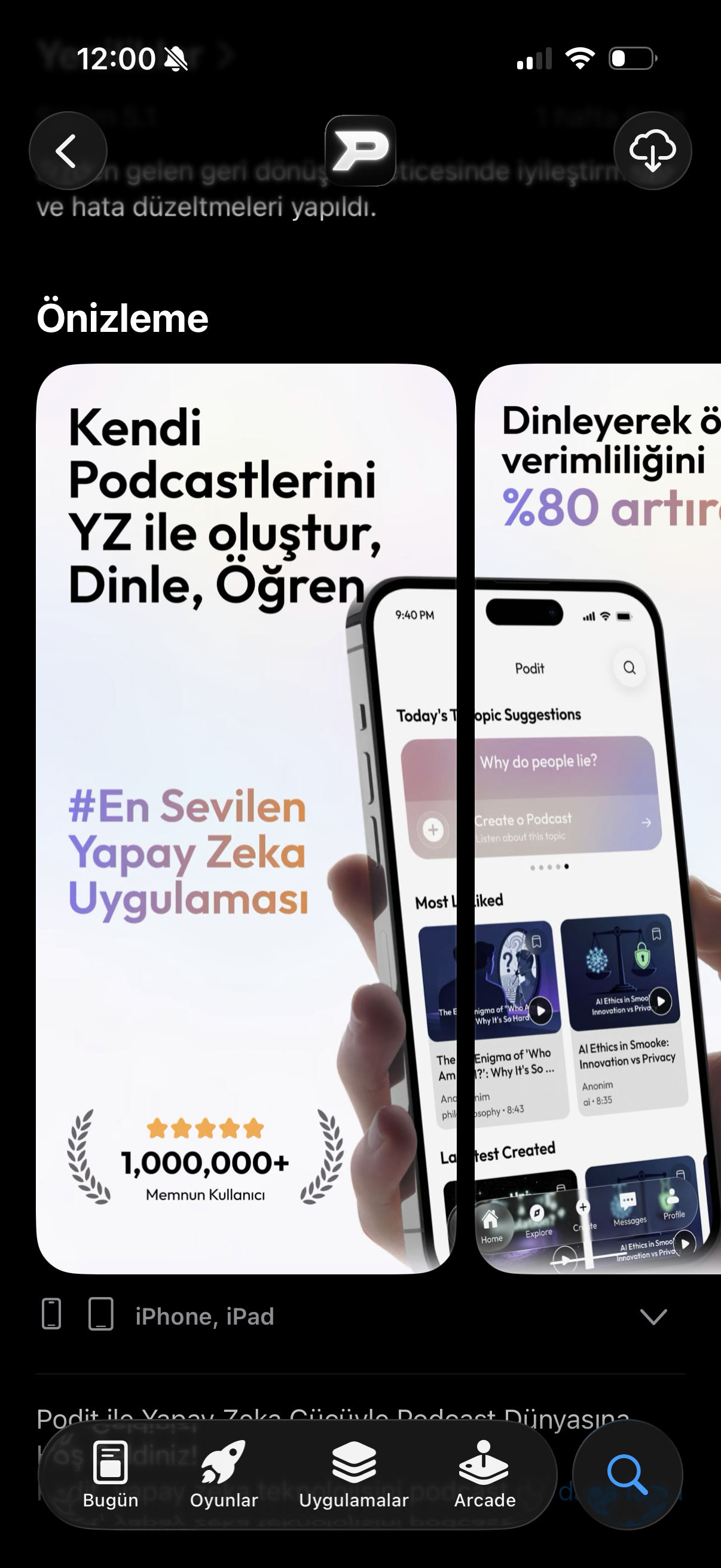
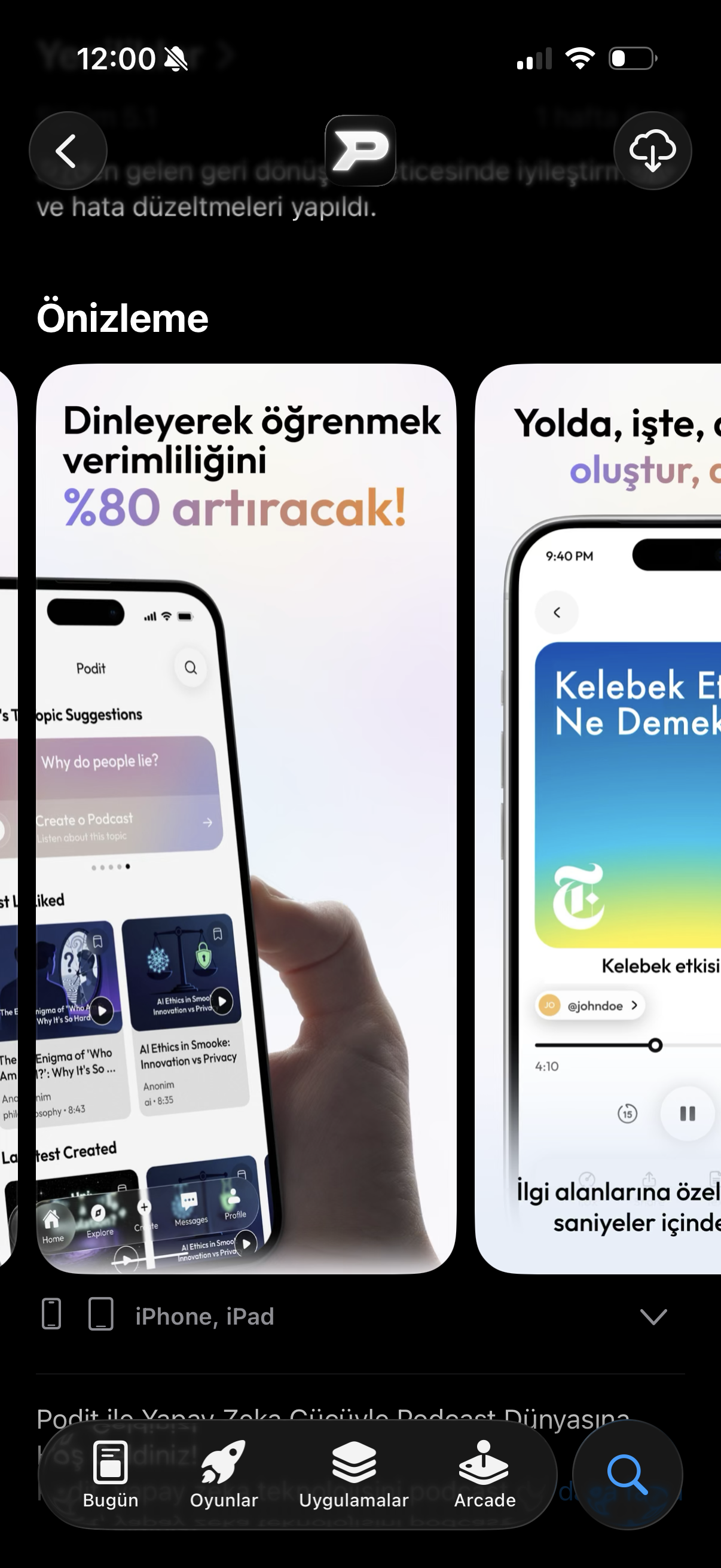
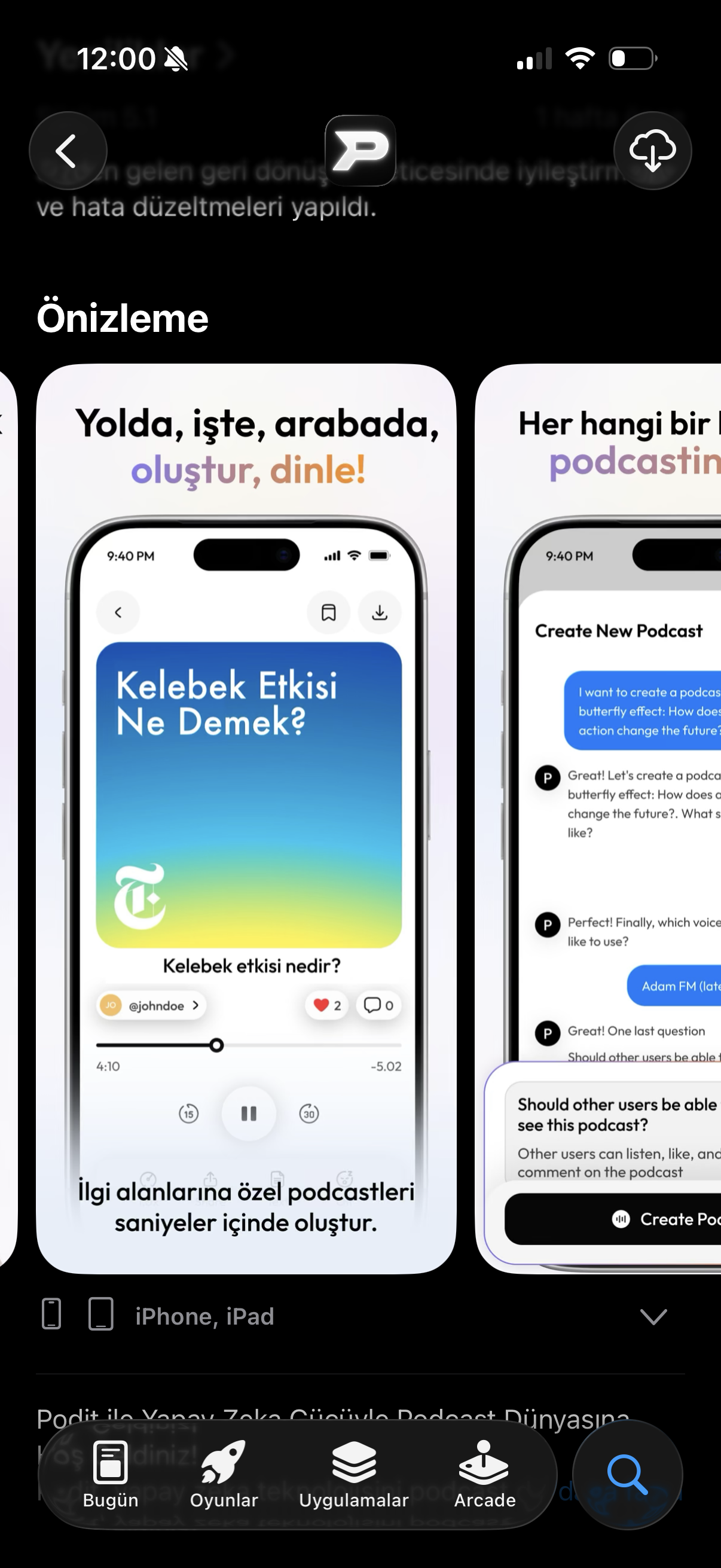
- Screenshots:
- Go beyond random app views; highlight your best features and demonstrate the user experience.
- Use clear, concise captions to explain what's being shown.
- Consider creating a narrative or a user journey through a sequence of screenshots.
- App Preview Video (if applicable):
- A powerful tool that allows users to see your app in action.
- Provides a dynamic understanding of its functionality and benefits.
- Can be a decisive factor in a user's decision to download.
Importance:
Investing in high-quality, engaging visuals is crucial as they can either attract or deter potential users.
3. ⭐ Leverage Ratings, Reviews, and Localization
This strategy focuses on building trust through social proof and expanding reach to a global audience.
Ratings & Reviews:
- Build Trust: Positive ratings and reviews are vital for establishing credibility and improving app store ranking. App stores often prioritize apps with higher average ratings and recent positive feedback.
- Encourage Feedback: Prompt satisfied users to leave reviews at opportune moments within the app, ensuring the prompts are respectful and non-intrusive.
- Engage with Users: Always respond to reviews, whether positive or negative. This demonstrates that you value user feedback and are actively involved in maintaining and improving the app.
Localization:
- Global Reach: To attract a global audience, translate your app's metadata (title, subtitle, description), screenshots, and even the app content itself into different languages.
- Relevance & Trust: A localized app feels more relevant and trustworthy to users in various regions, significantly expanding your potential user base.
Example:
An app translated into Spanish, German, and Japanese, with culturally relevant screenshots and descriptions, will appeal much more to users in those regions than an English-only version.
4. & 5. 🔄 Regular Updates and Performance Monitoring
These two strategies are ongoing processes that are critical for long-term app success and sustained visibility.
Regular Updates:
- Signal Maintenance: App stores favor apps that are regularly updated, as it indicates active maintenance, bug fixes, and continuous improvement.
- Keep App Fresh: Updates can include new features, performance enhancements, bug fixes, or compatibility updates for new operating system versions. This keeps existing users engaged and signals to app stores that the app is active and supported.
Performance Monitoring:
- Data-Driven Decisions: Continuously track key metrics such as:
- 📈 Downloads
- 📊 Retention rates
- ⚠️ Crash reports
- ✅ User engagement
- Tools: Utilize ASO tools and app store analytics to understand what strategies are working and what needs adjustment.
- Iteration: This data-driven approach allows for informed decisions, enabling you to iterate on your ASO strategies and maintain competitiveness in the dynamic app marketplace.
Importance:
These continuous efforts ensure your app remains relevant, functional, and visible, adapting to user needs and market changes.
Conclusion: Your Path to App Store Success
App Store Optimization is not a one-time task but an ongoing, iterative process. By consistently implementing these five essential strategies – mastering keyword optimization, creating compelling visual assets, leveraging ratings, reviews, and localization, and maintaining a cycle of regular updates and performance monitoring – you can significantly boost your app's visibility and attract a larger, more engaged user base. Start applying these insights today to help your app climb the ranks and achieve lasting success.