 Podit
Podit
This study material has been compiled from a copy-pasted text and a lecture audio transcript.
📚 Accounting Fundamentals: An Introduction to Financial Information and Decision-Making
💡 Overview
Accounting is often perceived as a complex and unappealing subject, frequently misunderstood as being relevant only to those pursuing an accounting career. However, this perspective overlooks its fundamental importance across all administrative sciences and even in personal financial management. Accounting is not just about numbers; it's a critical information system that underpins effective decision-making in both business and daily life.
✅ Why Accounting Matters
Understanding accounting is crucial for a wide range of individuals and professions, extending far beyond the accounting department.
1. 💼 Professional Decision-Making
For anyone in administrative sciences, accounting knowledge is indispensable.
- Administrative Sciences: All students in fields like human resources, marketing, production, and operations management need to understand financial statements and the meaning of accounting figures.
- Strategic Decisions: Accounting provides the data necessary to make effective and efficient decisions, which are critical for an organization's success and competitive advantage.
- Examples:
- Human Resources (HR) Expert: 💡 Designing employee benefit packages (salary, bonuses, health insurance, retirement plans) requires knowing the firm's financial capacity and budget constraints. Without this, attractive but unsustainable packages might be created.
- Marketing Manager: 📈 Determining a budget for a new product launch relies on accounting data regarding production costs, marketing expenses, and projected profit margins.
- Production Manager: 🏭 Evaluating the financial return on investment for new machinery or optimizing supply chain costs depends on accurate accounting information.
2. 💰 Personal Financial Literacy
Accounting is a cornerstone of financial literacy, which is the knowledge, skills, and confidence to make responsible financial decisions.
- Financial Literacy Defined: 📚 The ability to understand and manage personal financial resources effectively.
- Investment Decisions: As an investor, you will make numerous decisions. Without understanding a company's financial statements (balance sheet, income statement, cash flow statement), you cannot assess its debt levels, profitability, or growth potential.
- Informed Choices: Making decisions about buying or selling stocks without this knowledge is akin to gambling rather than informed investing.
3. 🎯 The Bottom Line
In all scenarios, the conclusion is the same: Knowing accounting is essential for making effective and efficient decisions. It is the most important system for informing information users by producing financial statements.
⚠️ Focus of This Course: Financial Accounting
This course, "Financial Accounting," concentrates specifically on the methods of producing and reporting financial information.
- Scope: We will focus on financial data.
- Exclusion: Reporting non-financial information (e.g., environmental impact, social responsibility) is typically covered under sustainability accounting and will not be the primary focus here.
- First Step: You will learn how to read and prepare financial statements by analyzing the effects of financial transactions on the basic accounting equation.
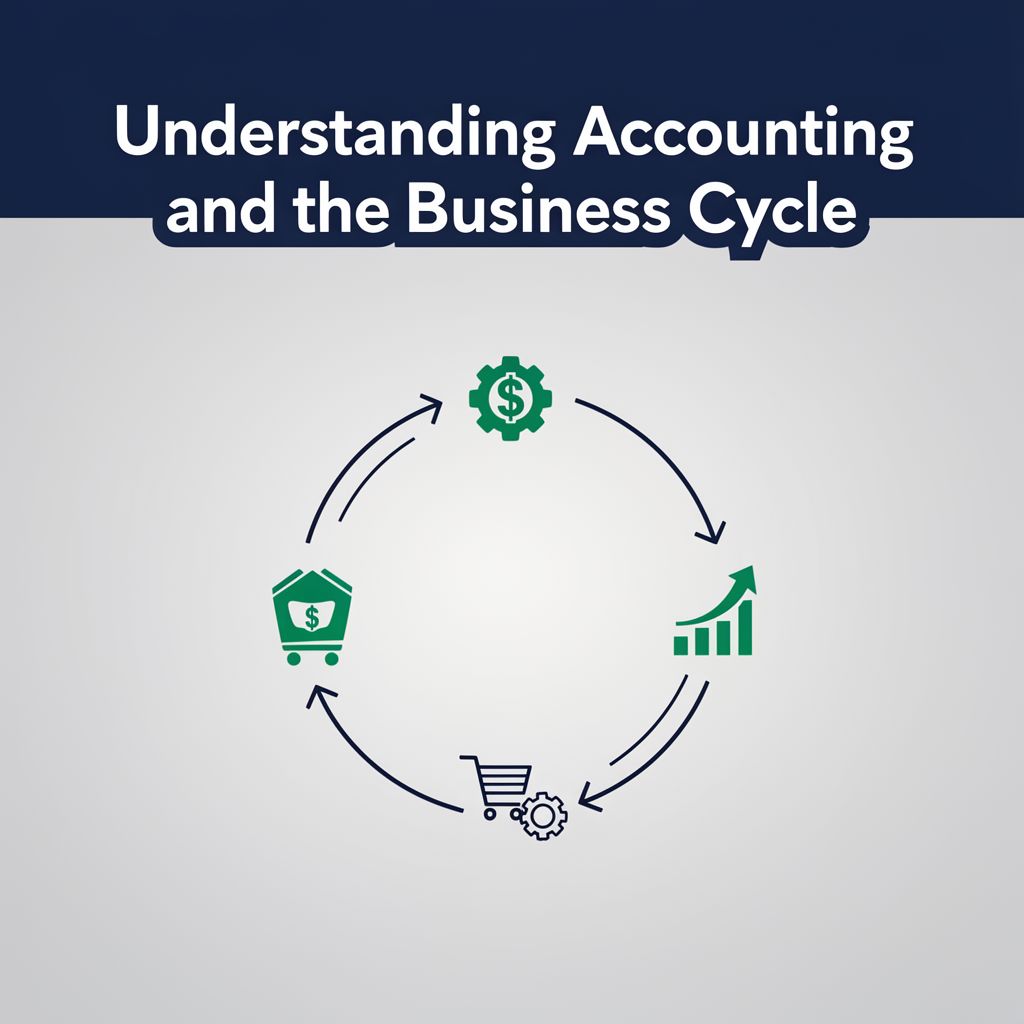
📊 Accounting as an Information System
1. 🌐 Role of Accounting in Business
Accounting plays a vital role in business by providing crucial information for decision-makers.
- Core Function: It provides owners and managers with the information needed to operate the business effectively.
- Decision Support: Operating a business involves many decisions (e.g., inventory volume, pricing, number of employees, capital amount). These decisions generate financial results that are critical for understanding performance and financial health.
- Tracking Transactions: Keeping track of financial transactions is fundamental for organizations to make sound decisions.
2. 🗣️ "The Language of Business"
Accounting is often called "the language of business" because it provides a standardized way to communicate an organization's financial health and performance.
- Understanding Organizations: To understand what is happening within organizations, one must comprehend the meaning of accounting numbers.
- Career Planning Example: When considering which company to work for, you'd likely prefer one with sustainable growth. A company's financial information plays a significant role in this decision, indicating its stability, debt management, and growth potential.
3. 📚 Definition of Accounting
Accounting is an information system that provides financial information about an entity for decision-makers.
4. 📝 Basic Activities of Accounting
This information system involves three fundamental activities related to an entity's financial transactions:
1️⃣ Identifying: * Purpose: Recognizing and determining economic events that affect the financial position of a business. * Scope: This includes not only money movements but all transactions with financial value, such as purchasing an asset, providing a service, or incurring a debt. * Example: A company buying new machinery, paying an employee's salary, or selling products to a customer. The activity determines if these events are financial in nature and how they impact the business's financial status.
2️⃣ Recording: * Purpose: Systematically and chronologically documenting the identified financial transactions. * Process: These records are typically entered into ledgers or electronic systems, detailing the date, amount, and relevant accounts for each transaction. * Outcome: Ensures accurate and complete documentation, forming a reliable basis for future analysis and reporting. This stage establishes the structured nature of accounting.
3️⃣ Communicating: * Purpose: Presenting the recorded financial information to relevant users in an understandable and accessible format. * Method: This is primarily done through financial statements, which summarize a business's financial performance and position. * Audience: These statements cater to a wide range of users, from internal managers to external investors, creditors, and government agencies. * Goal: Ensures financial information is transparent and timely, enabling its effective use in decision-making processes.
5. 👥 Information Users
While owners are key users, they are not the only ones who rely on financial information.
- Internal Users:
- Owners: To assess profitability and overall health.
- Managers: For operational decisions, budgeting, and performance evaluation.
- External Users:
- Investors: To decide whether to buy, hold, or sell stock.
- Creditors (Banks, Suppliers): To assess creditworthiness before lending money or extending credit.
- Government Agencies: For tax purposes and regulatory compliance.
- Potential Employees: To evaluate a company's stability and growth potential for career planning.