 Podit
Podit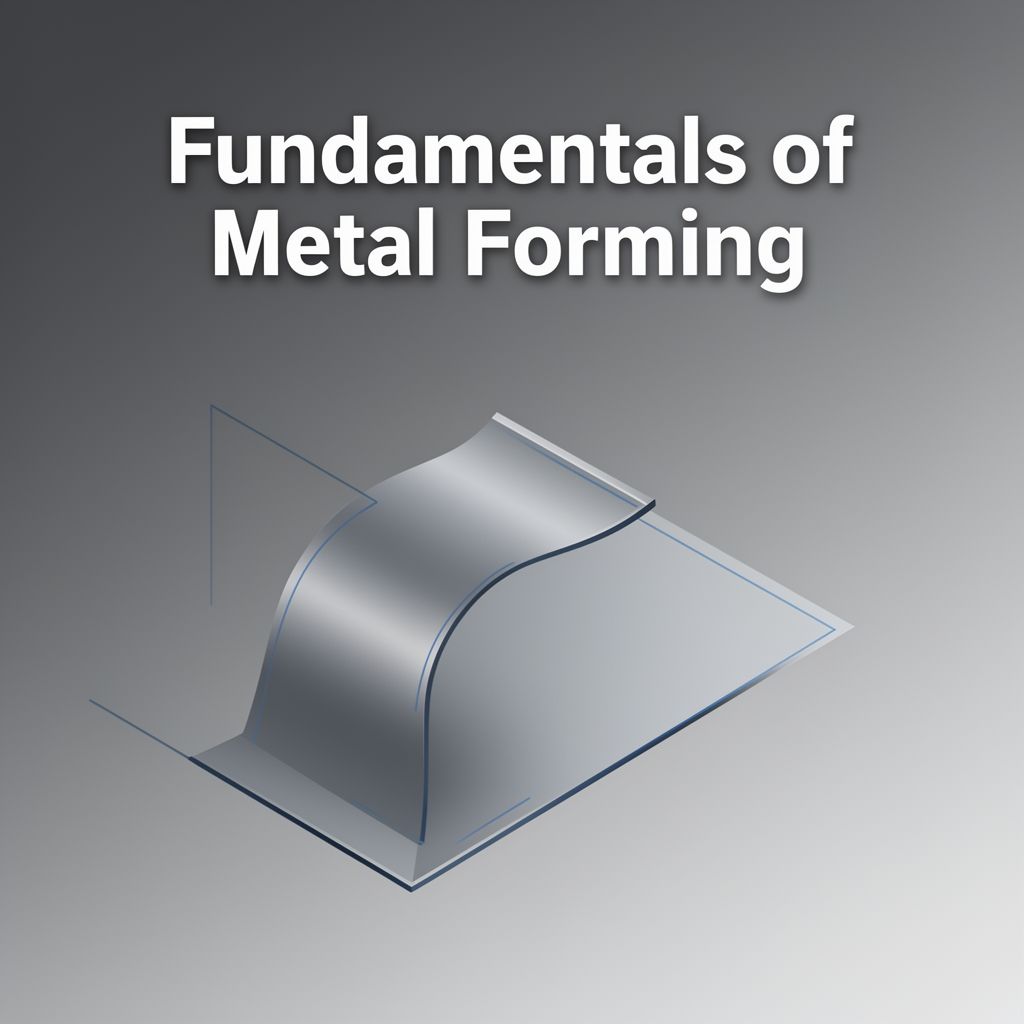
📚 Fundamentals of Metal Forming: A Study Guide
Source Information: This study material is compiled from a lecture audio transcript on the fundamentals of metal forming.
🚀 Introduction to Metal Forming
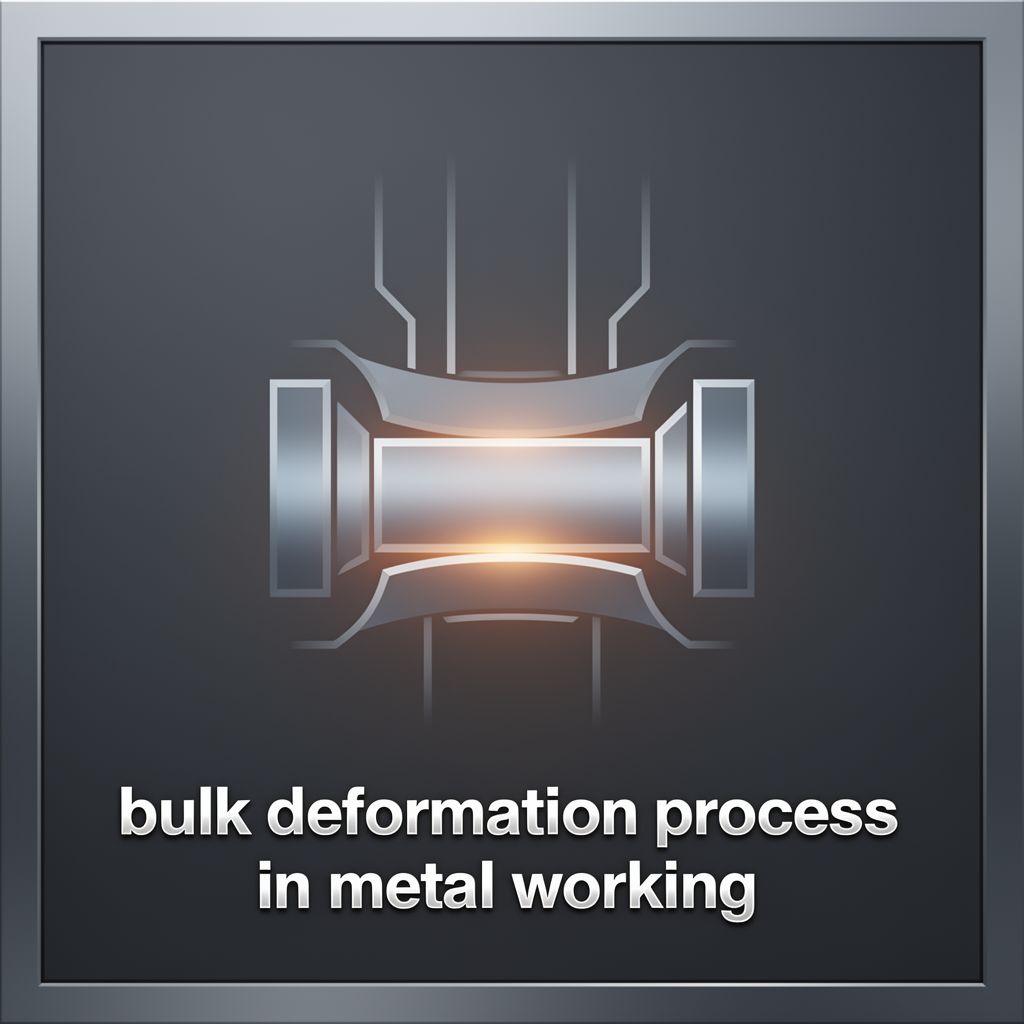
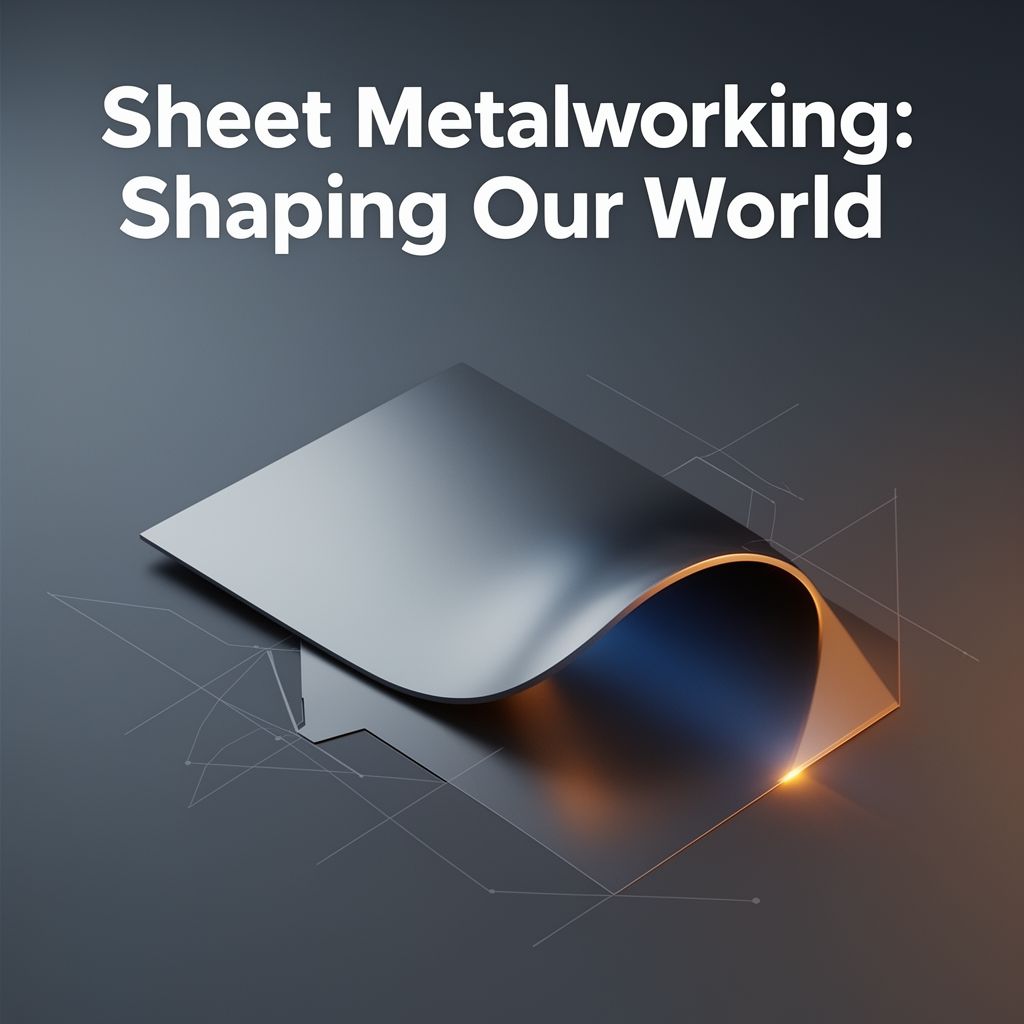
Metal forming is a fundamental manufacturing process that involves changing the shape of a metal object without removing any material. This transformation is typically achieved by applying external forces. It's akin to sculpting, but with metal, and is a cornerstone of modern manufacturing, enabling the creation of diverse products from small wires to large aerospace components.
✅ Key Idea: Metal forming permanently alters a metal's shape through applied force, without material removal.
💡 The Science Behind Shaping: Plastic Deformation
To understand metal forming, it's crucial to grasp how metals respond to applied forces.
1. Elastic vs. Plastic Deformation
- Elastic Deformation: 📚 This is a temporary change in shape that a material undergoes when a force is applied, and it fully recovers its original shape once the force is removed.
- 💡 Analogy: Stretching a rubber band slightly and letting it snap back.
- Plastic Deformation: 📚 This is a permanent change in shape that occurs when a material is subjected to forces exceeding its elastic limit. The material does not return to its original form after the force is removed.
- 💡 Analogy: Stretching a rubber band too much, causing it to be permanently elongated.
- ✅ Metal forming processes intentionally induce plastic deformation to achieve desired permanent shapes without fracturing the material.
2. Stress and Strain
These two concepts are vital for quantifying how materials behave under load:
- Stress: 📚 Defined as the force applied per unit area (Force/Area). It measures the intensity of the internal forces acting within a deformable body.
- Strain: 📚 Defined as the resulting deformation or change in dimension relative to the original dimension (Change in Length/Original Length). It quantifies how much the material has deformed.
🛠️ Common Metal Forming Processes
Once the principle of plastic deformation is understood, various manufacturing methods utilize it to shape metals. Here are some key processes:
1️⃣ Forging
- Description: 📚 A process where metal is compressed between dies (molds) to achieve a desired shape. Often performed on hot metal.
- Mechanism: Primarily compressive forces.
- Benefits: Not only shapes the metal but often improves its mechanical properties by refining its internal grain structure, leading to increased strength.
- Applications: Crankshafts in engines, high-strength hand tools, gears.
- 💡 Analogy: A blacksmith hammering hot metal on an anvil.
2️⃣ Rolling
- Description: 📚 Metal is passed between two rotating rolls, which reduce its thickness or change its cross-section.
- Mechanism: Primarily compressive forces, with some shear.
- Products: Long sheets, plates, structural beams (e.g., I-beams).
- Applications: Steel sheets for car bodies, aluminum foil, structural steel.
- 💡 Analogy: A giant rolling pin flattening dough.
3️⃣ Extrusion
- Description: 📚 A metal billet (chunk of metal) is pushed through a die opening to create a long product with a uniform cross-section.
- Mechanism: Primarily compressive forces.
- Products: Long profiles, pipes, rods.
- Applications: Aluminum window frames, copper tubing, electrical bus bars.
- 💡 Analogy: Squeezing toothpaste out of a tube.
4️⃣ Drawing
- Description: 📚 Similar to extrusion, but instead of pushing, the metal is pulled through a die to reduce its cross-section and increase its length.
- Mechanism: Primarily tensile forces.
- Products: Wires, rods, tubes.
- Applications: Electrical wires, paperclips, metal components in soda cans.
- 💡 Analogy: Pulling a thick strand of material to make it thinner and longer.
✅ Conclusion: The Impact of Metal Forming
Metal forming is an indispensable set of processes that leverage the plastic deformation capabilities of metals. By understanding concepts like stress, strain, elastic, and plastic behavior, we can appreciate how methods like forging, rolling, extrusion, and drawing are engineered to create an endless array of products. These processes are fundamental to modern engineering and manufacturing, making countless everyday items and advanced technologies possible.