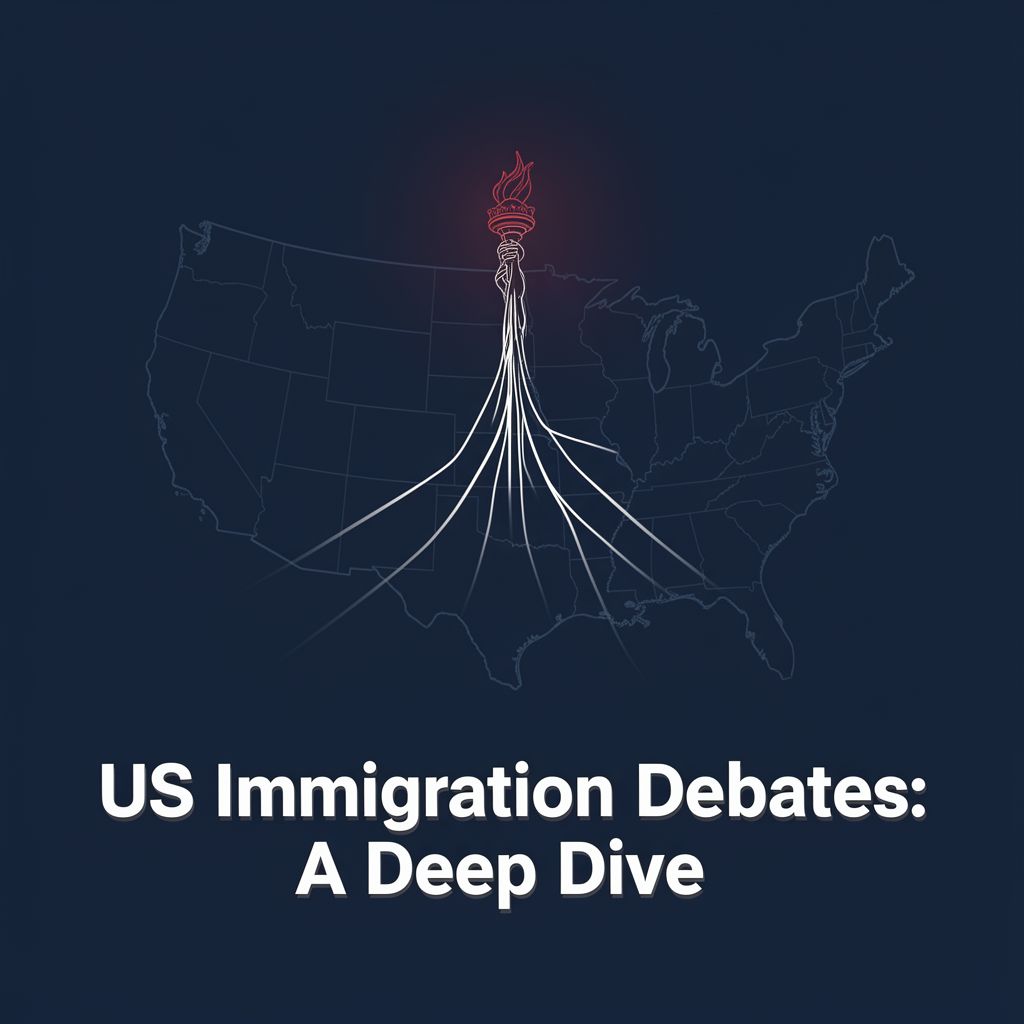
US Immigration Debates: A Deep Dive - kapak
Siyaset#us politics#immigration#border security#economic impact

US Immigration Debates: A Deep Dive

Explore the complex, current debates surrounding immigration in the United States. Understand the economic, social, and political dimensions of this critical issue.

January 3, 2026 ~27 dk toplam
01

Sesli Özet

12 dakika

Konuyu otobüste, koşarken, yolda dinleyerek öğren.

Sesli Özet

US Immigration Debates: A Deep Dive

0:0011:48
02

Flash Kartlar

25 kart

Karta tıklayarak çevir. ← → ile gez, ⎵ ile çevir.

1 / 25
Tüm kartları metin olarak gör
  1. 1. What is the primary focus of the discussion today?

    The current and complex debates surrounding immigration in the United States, covering economic, social, humanitarian, and political aspects.

  2. 2. Name the three main dimensions of US immigration debates.

    The economic arguments, the social and humanitarian concerns, and the political divisions.

  3. 3. What is a common economic concern about immigrants and jobs?

    The concern that immigrants might 'take jobs away' from native-born workers, potentially lowering wages or increasing unemployment.

  4. 4. How do many economists view immigrants' role in the labor market?

    They argue immigrants often fill jobs native-born workers are less willing to do and are highly entrepreneurial, creating new jobs.

  5. 5. In which specific sectors do immigrants frequently fill labor gaps?

    Sectors such as agriculture, construction, or hospitality, which often involve physically demanding jobs or irregular hours.

  6. 6. What is a significant entrepreneurial contribution of immigrants?

    Immigrants start businesses at higher rates than native-born individuals, thereby creating new jobs for themselves and others.

  7. 7. How do immigrants contribute to innovation and economic growth beyond job filling?

    They bring new skills, ideas, and demands, often working in STEM fields and expanding the consumer base in service industries.

  8. 8. What is the concern regarding low-skilled immigrant labor and wages for native-born workers?

    The worry that an influx of low-skilled labor could depress wages for low-skilled native-born workers.

  9. 9. What is the general finding of many studies on immigration's overall wage impact?

    Many studies find the overall effect on wages is either negligible or even positive, especially for higher-skilled workers.

  10. 10. How do immigrants contribute to the US tax base?

    They pay various taxes including sales, property, income, and payroll taxes, contributing to public services and programs like Social Security and Medicare.

  11. 11. What is a key concern for state and local governments regarding immigrant populations?

    The cost of providing essential public services such as education, healthcare, and infrastructure to immigrant communities.

  12. 12. How is the United States historically characterized in terms of immigration?

    As a 'nation of immigrants,' often described as a 'melting pot' or a 'salad bowl' due to its diverse cultural influences.

  13. 13. How do immigrants culturally enrich American society?

    They introduce diverse languages, traditions, foods, and perspectives, which foster innovation and a broader understanding of the world.

  14. 14. What are some cultural concerns expressed about immigration?

    Concerns about the erosion of a shared national identity or challenges in integrating new populations into existing social structures.

  15. 15. What is the humanitarian aspect of immigration primarily focused on?

    Providing refuge and asylum to individuals fleeing persecution, war, or natural disasters, based on moral imperatives.

  16. 16. What is a significant challenge facing the US asylum system?

    The system has become incredibly strained, particularly at the southern border, leading to debates about efficiency and conditions.

  17. 17. What ethical issue at the border sparked widespread outrage?

    The policy of family separations at the border, which highlighted complex ethical dilemmas.

  18. 18. How can a rapid influx of immigrants impact local public services?

    It can strain local schools with increased class sizes and language barriers, and challenge healthcare systems with larger, often uninsured populations.

  19. 19. What is a common policy approach advocated for stricter border security?

    Implementing physical barriers like walls, increasing border patrol agents, and deploying advanced surveillance technology.

  20. 20. What is a counter-argument against solely focusing on border enforcement?

    Critics argue it's ineffective, inhumane, expensive, and fails to address the root causes of migration.

  21. 21. What is a common argument for expanding legal immigration pathways?

    To boost economic growth, especially by attracting skilled workers, and to streamline family reunification processes.

  22. 22. What is one of the most divisive questions regarding undocumented immigrants in the US?

    The question of what actions should be taken regarding the millions of undocumented immigrants already residing in the country.

  23. 23. What is a proposed solution for undocumented immigrants often called 'amnesty' by opponents?

    Offering a pathway to citizenship or legal status for those who meet specific criteria.

  24. 24. What are the general priorities of conservative voices in immigration policy?

    Prioritizing border security, stricter enforcement, and sometimes advocating for reduced overall immigration levels.

  25. 25. What do progressive voices typically emphasize in immigration policy?

    Humanitarian concerns, creating pathways to citizenship, and addressing the underlying root causes of migration.

03

Bilgini Test Et

15 soru

Çoktan seçmeli sorularla öğrendiklerini ölç. Cevap + açıklama.

Soru 1 / 15Skor: 0

What is the primary goal of the session regarding US immigration debates?

04

Detaylı Özet

5 dk okuma

Tüm konuyu derinlemesine, başlık başlık.

📚 Current Debates in the US: Immigration

Overview

Welcome to this study guide on the current debates surrounding immigration in the United States. This topic is a complex and multifaceted issue, constantly in the news, shaping policies, and impacting millions of lives. This material aims to provide a clear understanding of the key issues, diverse perspectives, and the central role immigration plays in American society today. We will explore the economic, social, cultural, humanitarian, and political dimensions of these debates, equipping you with a solid foundation to understand and discuss them confidently.


1. 💰 The Economic Dimension: Jobs, Wages, and Growth

Immigration's economic impact is a frequently debated aspect, touching upon livelihoods and the overall health of the economy.

1.1. 💼 Impact on Jobs and Labor Market

  • Concern: Immigrants "take jobs away" from native-born workers, potentially leading to lower wages or higher unemployment for existing workers.
  • Counter-argument (Economists' Perspective):
    • ✅ Immigrants often fill jobs native-born workers are less willing to do (e.g., agriculture, construction, hospitality – often physically demanding or irregular hours).
    • 💡 Entrepreneurship: Immigrants start businesses at higher rates, creating new jobs for themselves and others.
    • 📈 Skill Contribution: They bring new skills and ideas, stimulating economic growth, particularly in STEM fields and service industries.
    • 🔄 They fill labor gaps, allowing the economy to function more efficiently.

1.2. 💵 Wages and Taxes

  • Wages:
    • Concern: Influx of low-skilled labor could depress wages for low-skilled native-born workers.
    • Findings: Some studies suggest a minor impact on wages for certain groups; many others find the overall effect negligible or even positive, especially for higher-skilled workers benefiting from complementary labor.
  • Taxes and Fiscal Contributions:
    • ✅ Immigrants (documented and undocumented) pay various taxes: sales taxes, property taxes (directly or indirectly), income taxes, and payroll taxes.
    • ✅ They contribute to Social Security and Medicare, funding public services.
    • ⚠️ Cost of Public Services: There are legitimate concerns about the cost of providing public services (education, healthcare, infrastructure) to immigrants, especially in areas with large immigrant populations.
    • ⚖️ The debate involves balancing these costs against the significant economic contributions.

2. 🤝 Social, Cultural, and Humanitarian Considerations

This dimension delves into the deeply personal and emotional aspects of immigration, touching on values, identity, and compassion.

2.1. 🌍 Social Integration and Cultural Impact

  • Enrichment: The US has historically been a "nation of immigrants," a "melting pot" or "salad bowl." Immigrants bring diverse languages, traditions, foods, and perspectives that enrich American society.
    • 💡 Examples: Variety of cuisines, cultural festivals.
    • ✅ This cultural exchange fosters innovation and broader understanding.
  • Concerns:
    • Some worry about the pace or scale of cultural change, potential erosion of a shared national identity, or challenges in integrating new populations.
    • Debates arise over language (e.g., English-only policies vs. multilingualism).
    • ⚖️ The goal is to find a balance between preserving traditions and embracing new ones.

2.2. 🆘 Humanitarian Aspects: Asylum Seekers and Refugees

  • Moral Imperative: The US has a history of offering refuge to those fleeing persecution, war, or natural disasters. International and domestic laws outline processes for asylum.
  • Challenges:
    • The asylum processing system is strained, particularly at the southern border.
    • Debates focus on border security, efficiency of the asylum process, and conditions in detention facilities.
    • ⚠️ Ethical Dilemmas: Incidents like family separations at the border highlight ethical concerns.
    • ❓ Key Question: How to uphold humanitarian values while effectively managing borders and ensuring national security?

2.3. 🏥 Impact on Public Services

  • Local Pressures: Rapid influxes of immigrants can strain local public services.
    • Schools: Increased class sizes, language barriers, need for more resources.
    • Healthcare: Challenges in providing care to a larger, often uninsured, population.
  • Debate: How to adequately fund and support these services to meet community needs.

3. 🏛️ Policy Approaches and Political Divisions

Immigration is a highly politically charged issue, with different groups proposing varied solutions.

3.1. 🚧 Border Security

  • Stricter Enforcement Advocates:
    • Prioritize physical barriers (walls), increased border patrol agents, advanced surveillance technology.
    • Arguments: National security, control over entry, deterrence of illegal crossings, upholding the rule of law.
  • Opponents of Strict Enforcement:
    • Argue that a "border wall" approach is ineffective, inhumane, and expensive.
    • Suggest it doesn't address root causes of migration and leads to more dangerous journeys.
    • Advocate for efficient processing at ports of entry and addressing humanitarian needs.

3.2. 📜 Legal Pathways to Immigration

  • Current System: The US immigration system is complex, with various visa categories (family reunification, employment, humanitarian).
  • Calls for Reform:
    • Many argue the system is outdated and doesn't meet modern economic or global realities.
    • Expansion Advocates: Push for expanding legal immigration (especially for skilled workers) to boost economic growth, and streamlining family reunification processes.
    • Reduction Advocates: Argue current legal immigration levels are too high, citing concerns about native-born workers or population growth.

3.3. 👥 Undocumented Immigrants

  • Divisive Question: What to do about the millions of undocumented immigrants in the US?
  • Pathway to Citizenship/Legal Status (Proponents):
    • Often called "amnesty" by opponents.
    • Arguments: Brings people "out of the shadows," allows fuller societal contribution, simplifies lives.
  • Stricter Enforcement (Opponents):
    • Arguments: Rewards illegal behavior, encourages more illegal immigration, upholds the rule of law (e.g., through deportations).

3.4. ⚖️ Asylum System Reforms

  • Goals: Make the asylum process more efficient and humane, while preventing abuse.
  • Debates Include: Detention policies, the role of immigration courts, and international cooperation.

3.5. 📊 Political Divisions

  • Conservative Viewpoints: Tend to prioritize border security, stricter enforcement, and sometimes reduced overall immigration levels.
  • Progressive Viewpoints: Often emphasize humanitarian concerns, pathways to citizenship, and addressing the root causes of migration.
  • ⚠️ These differing priorities lead to political stalemates and make comprehensive immigration reform incredibly difficult.

💡 Key Takeaways

  • Immigration is a multifaceted issue with valid arguments from various perspectives.
  • It involves a complex interplay of economic realities, social values, and political ideologies.
  • There is no single, simple answer to the questions surrounding immigration.
  • Understanding these different dimensions is crucial for engaging thoughtfully with the ongoing debates.
  • Critical thinking and considering all sides are essential for forming informed opinions on this central aspect of American society.

Kendi çalışma materyalini oluştur

PDF, YouTube videosu veya herhangi bir konuyu dakikalar içinde podcast, özet, flash kart ve quiz'e dönüştür. 1.000.000+ kullanıcı tercih ediyor.

Sıradaki Konular

Tümünü keşfet
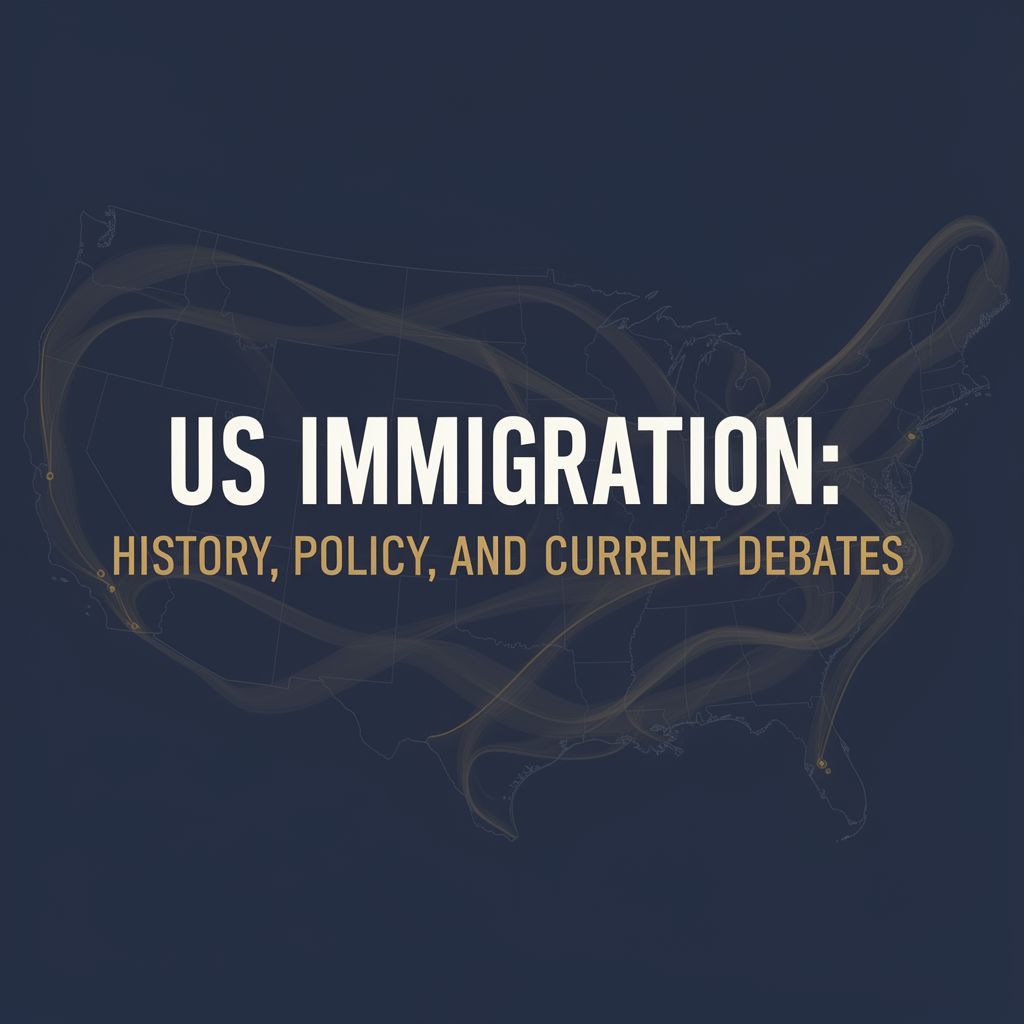
US Immigration: History, Policy, and Current Debates

US Immigration: History, Policy, and Current Debates

Explore the complex world of US immigration, from its historical roots and evolving policies to the heated debates shaping America today. Understand key concepts and different perspectives.

12 dk Özet 22 15
Contemporary British Sociopolitical and Cultural Dynamics

Contemporary British Sociopolitical and Cultural Dynamics

An academic overview of Britain's social and cultural context, examining political challenges, demographic shifts, gender equality, LGBTQ+ rights, and the evolving role of arts and popular culture in the 21st century.

8 dk Özet 25 15
Multiculturalism and Gender in Britain: A Historical and Political Analysis

Multiculturalism and Gender in Britain: A Historical and Political Analysis

An academic overview of Britain's multicultural society and evolving gender issues, examining historical contexts, policy developments, and the significant influence of figures like Margaret Thatcher.

6 dk Özet 25 15
Race Equality in the US: History, Challenges, and Reforms

Race Equality in the US: History, Challenges, and Reforms

Explore the comprehensive history, current challenges, and proposed reforms for race equality in the United States, focusing on the African American experience.

Özet 25 15
National Security and Its Dimensions

National Security and Its Dimensions

This podcast explores the concept of national security, its fundamental importance, and its four crucial dimensions: military, political, economic, and social security, based on the provided lesson.

Özet 25 15
Turkey-Greece Relations: Treaties and Disputes

Turkey-Greece Relations: Treaties and Disputes

An in-depth analysis of Turkey-Greece relations, focusing on the Treaty of Lausanne (1923) and the Paris Peace Treaty (1947), covering Aegean islands, minority rights, and population exchange.

Özet 25 15
Abolition of Caliphate and Turkish Constitutional Evolution

Abolition of Caliphate and Turkish Constitutional Evolution

This summary examines the abolition of the Caliphate in Turkey and the subsequent constitutional developments, including the 1921 and 1924 Constitutions, and the integration of secular principles.

6 dk Özet 25 15
British Social and Cultural Context: 1979-2014

British Social and Cultural Context: 1979-2014

An academic overview of Britain's social and cultural landscape from the late 1970s through the early 2010s, focusing on the Thatcher era, New Labour, and subsequent challenges.

9 dk Özet 25 15