 Podit
Podit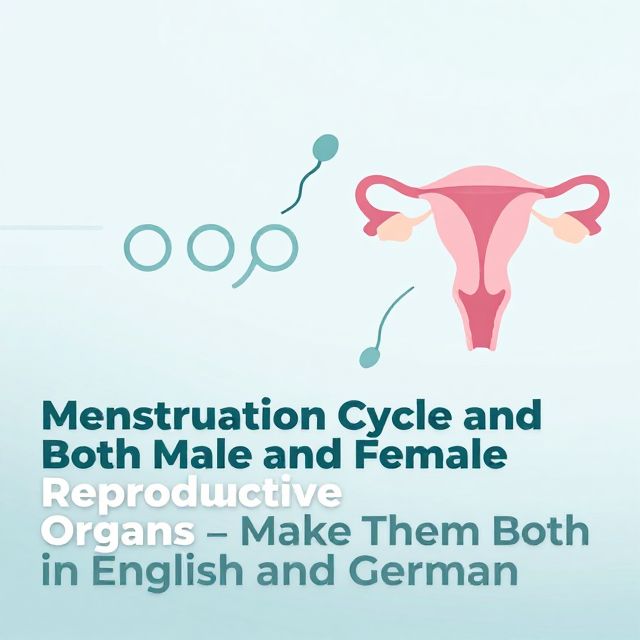
Understanding Human Reproduction: The Menstrual Cycle and Reproductive Organs
This study material is compiled from a lecture transcript on reproductive health. It provides a comprehensive overview of the female and male reproductive systems and the intricate process of the menstrual cycle.
1. Introduction to Human Reproduction 🧬
Human reproduction is a fundamental biological process that ensures the continuation of our species. It involves complex systems in both male and female bodies, each designed with specific organs and hormonal mechanisms to facilitate the creation of new life. This guide will explore these fascinating systems, detailing the structure and function of key reproductive organs and demystifying the female menstrual cycle.
2. The Female Reproductive System ♀️
The female reproductive system is a remarkable and complex set of organs primarily responsible for producing eggs, nurturing a developing fetus, and enabling childbirth.
2.1. Key Female Reproductive Organs 📚
- Ovaries ✅
- Description: Two almond-shaped glands located on either side of the uterus.
- Functions:
- Egg Production: Produce and store ova (eggs), the female reproductive cells.
- Hormone Production: Synthesize crucial hormones like estrogen and progesterone, which regulate the menstrual cycle and support pregnancy.
- Fallopian Tubes (Oviducts) ✅
- Description: Two narrow tubes extending from the ovaries to the uterus.
- Functions:
- Egg Transport: Act as a pathway, guiding the released egg from the ovary towards the uterus.
- Fertilization Site: The usual site where fertilization (the fusion of sperm and egg) occurs.
- Uterus (Womb) ✅
- Description: A pear-shaped, muscular organ located in the pelvis.
- Functions:
- Implantation & Development: Where a fertilized egg implants and develops into a fetus during pregnancy.
- Endometrial Lining: Its inner lining, the endometrium, thickens each month in preparation for a potential pregnancy.
- Vagina ✅
- Description: A muscular, elastic canal connecting the uterus to the outside of the body.
- Functions:
- Birth Canal: Serves as the pathway for childbirth.
- Menstrual Flow: Allows for the exit of menstrual blood.
- Receives Sperm: Receives sperm during sexual intercourse.
2.2. The Menstrual Cycle 🗓️
The menstrual cycle is a monthly series of hormonal and physiological changes a woman's body undergoes to prepare for the possibility of pregnancy. It typically lasts about 28 days but can vary.
2.2.1. Phases of the Menstrual Cycle 📊
The cycle is regulated by a delicate balance of hormones and consists of four main phases:
-
Menstrual Phase (Days 1-5) 🩸
- What happens: If pregnancy has not occurred, the thickened uterine lining (endometrium) sheds and exits the body through the vagina. This is commonly known as a "period."
- Hormonal activity: Estrogen and progesterone levels are low.
-
Follicular Phase (Days 1-13) 🥚
- What happens: This phase overlaps with the menstrual phase and continues until ovulation.
- Hormonal activity:
- The pituitary gland releases Follicle-Stimulating Hormone (FSH), which stimulates several follicles (each containing an immature egg) in the ovaries to grow.
- As follicles grow, they produce estrogen, causing the uterine lining to thicken again, preparing for a potential pregnancy.
-
Ovulation (Around Day 14) 🎯
- What happens: A surge in Luteinizing Hormone (LH), also from the pituitary gland, triggers the release of the most mature egg from the ovary.
- Key point: This is the window when pregnancy is most likely to occur. The egg then travels into the fallopian tube.
-
Luteal Phase (Days 15-28) 🤰
- What happens: After the egg is released, the empty follicle transforms into a structure called the corpus luteum.
- Hormonal activity: The corpus luteum produces progesterone, which further thickens and maintains the uterine lining, making it ready for a fertilized egg to implant.
- Outcome:
- If the egg is fertilized and implants, the corpus luteum continues to produce progesterone to support the early pregnancy.
- If the egg is not fertilized or does not implant, the corpus luteum degenerates, progesterone levels drop, and the uterine lining sheds, restarting the menstrual phase.
💡 Understanding the menstrual cycle is crucial for female reproductive health, fertility planning, and recognizing hormonal imbalances.
3. The Male Reproductive System ♂️
The male reproductive system is primarily responsible for producing and delivering sperm to fertilize an egg, thereby initiating pregnancy.
3.1. Key Male Reproductive Organs 📚
- Testes (Testicles) ✅
- Description: Two oval-shaped organs located in the scrotum (a sac of skin outside the body).
- Functions:
- Sperm Production: Produce sperm, the male reproductive cells.
- Hormone Production: Synthesize testosterone, the primary male sex hormone, vital for sperm production and the development of male secondary sexual characteristics (e.g., deeper voice, body hair).
- Epididymis ✅
- Description: A coiled tube located on the back of each testicle.
- Functions: Where sperm mature and are stored until ejaculation.
- Vas Deferens ✅
- Description: A muscular tube that carries mature sperm from the epididymis up into the pelvic cavity.
- Functions: Transports sperm towards the urethra during ejaculation.
- Seminal Vesicles ✅
- Description: Two glands located behind the bladder.
- Functions: Produce a fluid rich in fructose (which provides energy for sperm) and other substances that aid in sperm motility. This fluid contributes to semen.
- Prostate Gland ✅
- Description: A gland located just below the bladder, surrounding the urethra.
- Functions: Adds a milky, slightly acidic fluid to the semen. This fluid helps activate sperm and protects them in the acidic environment of the vagina.
- Urethra ✅
- Description: A tube that runs through the penis.
- Functions: Serves as the exit pathway for both urine and semen (the fluid containing sperm and glandular secretions), though never at the same time.
- Penis ✅
- Description: The external male organ.
- Functions: Facilitates the delivery of semen into the female reproductive tract during sexual intercourse for fertilization.
💡 The male reproductive system acts as a sophisticated factory and delivery system, continuously producing and preparing sperm for the potential of creating new life.
4. The Interconnectedness of Life 🤝
Both the male and female reproductive systems, while distinct in their structures and primary functions, are equally vital and incredibly complex. They showcase the marvels of human biology and the intricate hormonal dances that allow for the continuation of life. Understanding these systems is not just about biology; it's about understanding ourselves, our health, and the fundamental processes that underpin human existence.