 Podit
Podit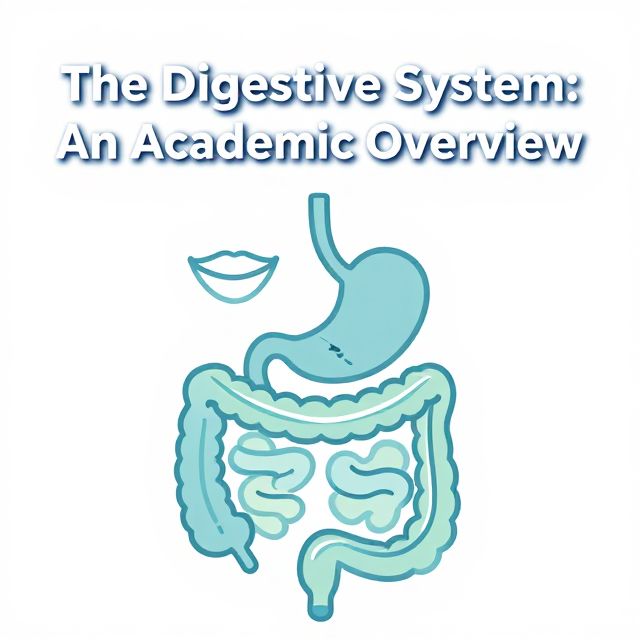
This content is based on a YouTube video.
The Digestive System: A Comprehensive Study Guide 🍎
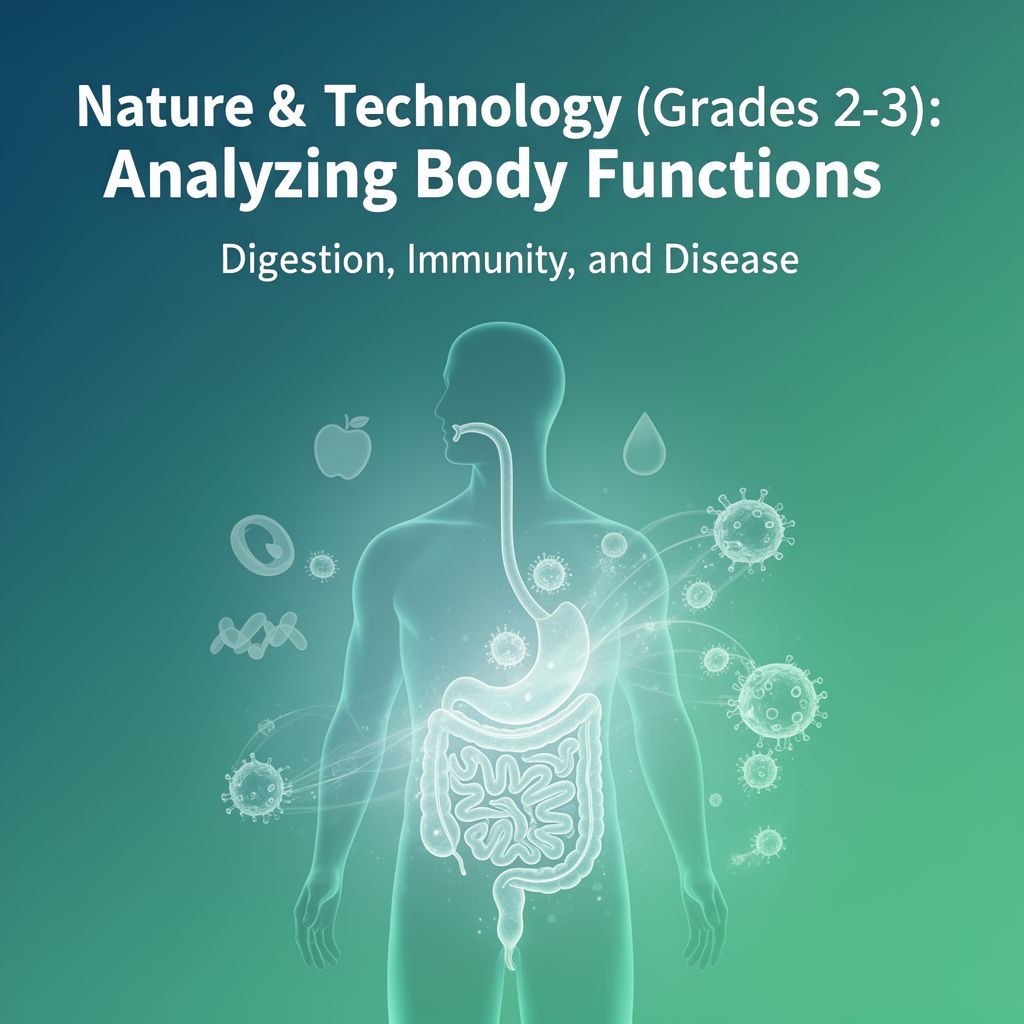
The digestive system is a vital and intricate biological apparatus responsible for transforming the food we eat into usable energy and nutrients. It meticulously breaks down ingested food into absorbable components and efficiently eliminates indigestible waste products. Understanding its structure and function is fundamental to comprehending human physiology and maintaining overall health. This guide will explore the key components and processes involved in digestion.
1. The Alimentary Canal: The Pathway of Digestion 🛣️
The alimentary canal, also known as the gastrointestinal (GI) tract, is a continuous muscular tube that extends from the mouth to the anus. Its primary role is to transport food and progressively break it down through a series of mechanical and chemical processes.
1.1. Journey Through the GI Tract:
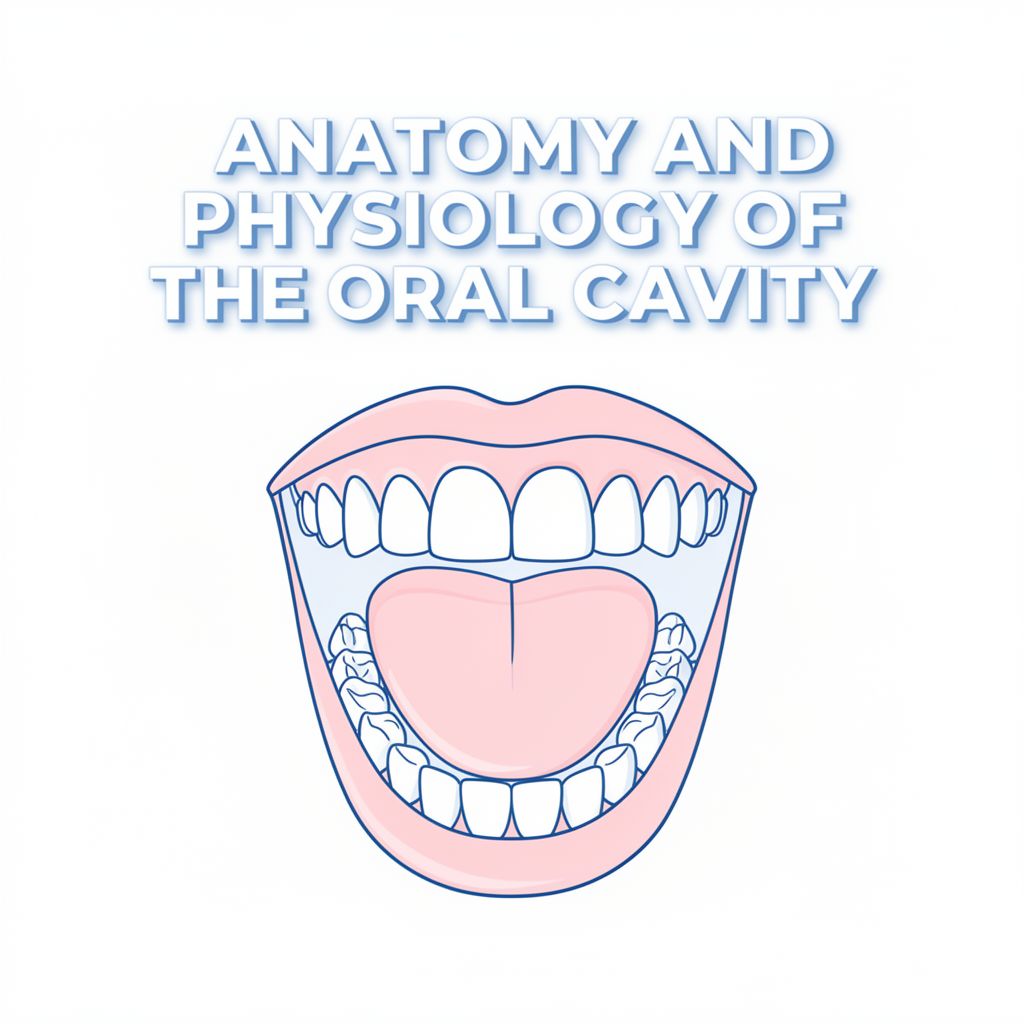
- Mouth 🦷
- Mechanical Digestion: Food is physically broken down by chewing (mastication).
- Chemical Digestion: Saliva, produced by salivary glands, contains salivary amylase, which begins the breakdown of carbohydrates.
- The chewed food, mixed with saliva, forms a soft mass called a bolus.
- Pharynx and Esophagus ➡️
- The bolus passes from the mouth through the pharynx and then into the esophagus.
- Peristalsis: A wave-like muscular contraction propels the bolus down the esophagus towards the stomach.
- Stomach 🧪
- Mechanical Digestion: The stomach muscles churn and mix the food.
- Chemical Digestion: Gastric juices, containing hydrochloric acid (HCl) and pepsin, are secreted.
- HCl creates an acidic environment, which helps sterilize ingested food and activates pepsin.
- Pepsin initiates the digestion of proteins.
- The partially digested food, now a semi-liquid mixture, is called chyme.
- Small Intestine 📈
- Composed of three sections: the duodenum, jejunum, and ileum.
- This is the primary site for nutrient absorption.
- Digestive enzymes from the pancreas and bile from the liver (stored in the gallbladder) further break down carbohydrates, proteins, and fats into their constituent monomers.
- Villi and Microvilli: The inner lining of the small intestine has numerous folds, villi, and microvilli, which vastly increase its surface area, maximizing absorption efficiency.
- Large Intestine 💧
- Includes the cecum, colon, and rectum.
- Main Functions:
- Absorption of water.
- Maintenance of electrolyte balance.
- Formation of feces.
- Beneficial bacteria residing in the colon contribute to the synthesis of certain vitamins.
- Rectum and Anus 🚽
- Feces are stored in the rectum before being eliminated from the body through the anus.
2. Accessory Organs and Chemical Digestion ✨
Beyond the alimentary canal, several accessory organs play crucial roles by producing and secreting substances essential for chemical digestion.
2.1. Key Accessory Organs:
- Salivary Glands:
- Located in the mouth.
- Produce saliva, which lubricates food and contains enzymes:
- Amylase: Initiates carbohydrate digestion.
- Lingual Lipase: Initiates fat digestion.
- Liver:
- The largest internal organ.
- Produces bile, a digestive fluid.
- Bile Function: Emulsifies fats in the small intestine, breaking them into smaller droplets. This increases the surface area for enzymatic action, making fat digestion more efficient.
- Gallbladder:
- Stores and concentrates bile produced by the liver.
- Releases bile into the duodenum as needed.
- Pancreas:
- A vital gland with both exocrine and endocrine functions.
- Exocrine Function (Digestive Role): Produces pancreatic juice, a rich mixture of digestive enzymes and bicarbonate.
- Pancreatic Enzymes:
- Amylase: Further breaks down carbohydrates.
- Lipase: Digests fats.
- Proteases (e.g., trypsin, chymotrypsin): Complete the breakdown of proteins.
- Bicarbonate: Neutralizes the acidic chyme entering from the stomach, creating an optimal pH environment for pancreatic enzymes to function effectively.
- Pancreatic Enzymes:
2.2. The Essence of Chemical Digestion 💡
Chemical digestion, facilitated by these enzymes and fluids, breaks down complex macromolecules into simpler, absorbable molecules:
- Carbohydrates are broken down into monosaccharides (simple sugars).
- Proteins are broken down into amino acids.
- Fats are broken down into fatty acids and glycerol.
These smaller molecules are then absorbed into the bloodstream or lymphatic system, ready to be transported throughout the body for energy, growth, and repair.
Conclusion: The Importance of Digestive Function ✅
In summary, the digestive system is a highly coordinated network of organs that meticulously processes food to extract vital nutrients and eliminate waste. From the initial mechanical and chemical breakdown in the mouth to the final absorption in the small intestine and waste elimination, each component plays a specific and indispensable role. The alimentary canal provides the pathway, while accessory organs supply the necessary enzymes and fluids for efficient chemical digestion. This complex physiological process is fundamental to sustaining life, providing the energy and raw materials required for cellular function, growth, and overall bodily homeostasis. A thorough understanding of the digestive system is therefore critical for appreciating the intricate mechanisms that underpin human health and well-being. 💖