Understanding Body Functions and Disease Mechanisms - kapak
Sağlık#digestion#immune system#bacteria#viruses

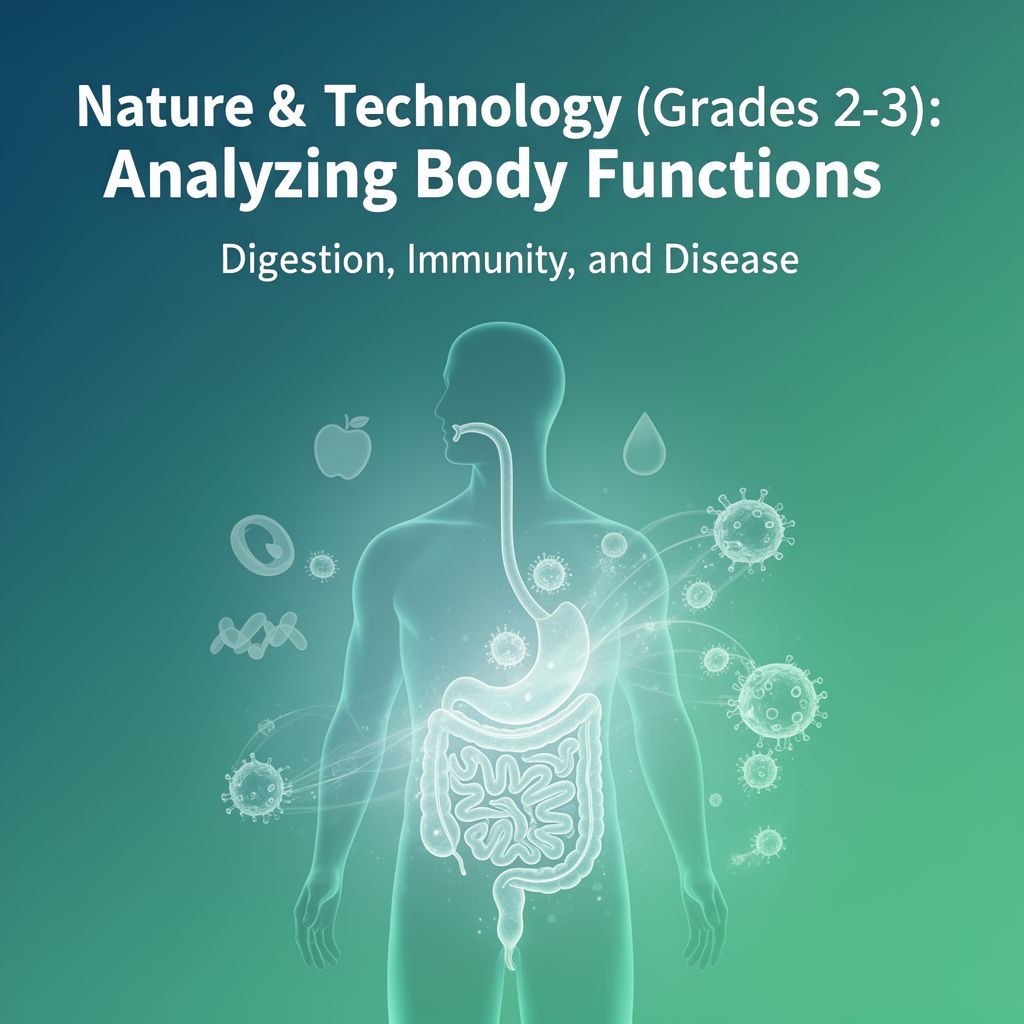
Understanding Body Functions and Disease Mechanisms

Explore the intricate processes of human digestion, the robust immune system, and the complexities of various diseases including bacterial, viral, parasitic, fungal infections, cancer, and psychological illnesses.

s2ciFebruary 3, 2026 ~18 dk toplam
01

Flash Kartlar

25 kart

Karta tıklayarak çevir. ← → ile gez, ⎵ ile çevir.

1 / 25
Tüm kartları metin olarak gör
  1. 1. What is the primary purpose of digestion in the human body?

    Digestion is the essential transformation process where complex food molecules are broken down into simpler, individual units that our cells can directly utilize for energy, growth, and repair. Without digestion, the nutrients in food would be too large for our cells to absorb and process, making them unusable by the body.

  2. 2. Name the three main variants of carbohydrates mentioned in the text and describe their molecular structure.

    The three main variants are simple sugars (single molecular units), multiple sugars (typically composed of two units), and starch (consisting of four or more units linked together). These different structures determine how easily and quickly they can be broken down by the body's digestive enzymes.

  3. 3. What is the role of Ptyalin in carbohydrate digestion, and where is it found?

    Ptyalin is a vital amylase enzyme found in saliva, present in the mouth. It initiates carbohydrate digestion by breaking down long starch chains into shorter sugar chains. However, it cannot break these chains down further into simple sugars, requiring additional enzymes later in the digestive process.

  4. 4. Which enzyme is responsible for breaking down double sugars into simple sugars, and where is it produced?

    The enzyme responsible for breaking down double sugars into simple sugars is glycosidase. It is produced by the pancreas and acts in the small intestine. This enzyme can split sugar or starch into glucose, which is a simple sugar readily usable by the body for energy.

  5. 5. Describe the process of glucose absorption after digestion.

    Once glucose is formed from carbohydrate digestion, it is absorbed in the small intestine through tiny, finger-like projections called villi, which line the intestinal wall. From the villi, glucose enters the bloodstream and is then transported via the liver to various organs that require sugar for energy, such as muscles and the brain.

  6. 6. What is a characteristic feature of fats, and why does no fat digestion occur in the mouth?

    A characteristic feature of fats is that they typically form large, round structures known as micelles. No fat digestion occurs in the mouth because these micelles are too large for the small enzymes present in saliva to act upon effectively. Fats pass undigested into the stomach.

  7. 7. How does the stomach contribute to fat digestion, and what are its limitations?

    In the stomach, the churning and mixing movements, known as peristalsis, help to break down and emulsify fat droplets, making the micelles smaller. However, even after this mechanical breakdown, these micelles are still visible and remain too large for most enzymes to act upon effectively, limiting significant fat digestion in the stomach.

  8. 8. What is the primary function of bile in fat digestion, and what is this process called?

    Bile's primary function is to reduce the fat micelles to such a small size that enzymes can effectively attack them. This crucial process is called emulsification. The body produces approximately 0.7 liters of bile per day to facilitate this breakdown, making fats more accessible for enzymatic digestion.

  9. 9. After emulsification and enzymatic breakdown, how are fats absorbed and transported in the body?

    After emulsification by bile and further breakdown by lipases, the individual components of fat, primarily glycerides and fatty acids, are absorbed in the small intestine into the lymphatic system. From there, similar to carbohydrates, they are transported via the liver to various organs that can utilize them for energy or storage.

  10. 10. What is the brain's exclusive energy source, and how does the liver contribute to this?

    The brain exclusively requires glucose for energy. Fortunately, the liver is capable of converting fatty acids into glucose when needed, ensuring a constant supply for brain function. Conversely, the liver can also convert excess sugar into fat for storage, demonstrating its crucial role in metabolic regulation.

  11. 11. Where does the digestion of proteins primarily begin, and what key enzyme is involved?

    The digestion of proteins, also known as proteolysis, primarily begins in the stomach. Here, stomach acid plays a role in denaturing proteins, but the enzyme pepsin is far more significant. Pepsin breaks down proteins into smaller units called amino acids, initiating their breakdown.

  12. 12. What happens to proteins that pepsin cannot fully digest, and which enzymes are involved in their further breakdown?

    For the remaining proteins that pepsin could not fully digest, other enzymes like trypsin and similar enzymes are produced in the pancreas. These enzymes act in the duodenum, the first section of the small intestine, to almost completely break down proteins into individual amino acids, preparing them for absorption.

  13. 13. How are amino acids absorbed and transported in the body after protein digestion?

    After proteins are broken down into individual amino acids, these amino acids are absorbed in the small intestine directly into the bloodstream. From the bloodstream, they are subsequently transported to the liver. The liver then distributes these amino acids to various body tissues for building and repairing, or they can be used as an energy source.

  14. 14. Do vitamins, minerals, and trace elements require digestion, and how are they absorbed?

    Generally, vitamins, minerals, and trace elements do not need to be broken down by enzymes; they can be absorbed in the small intestine more or less in the form they were consumed. However, for some minerals and trace elements, specific substances are needed to assist the small intestine in their absorption, either aiding or hindering the process.

  15. 15. How do gut bacteria contribute to digestion and nutrient production?

    Billions of bacteria residing in our gut assist in digestion and vitamin production. They can assemble vitamin precursors into their final vitamin form, which our bodies cannot synthesize on their own. Escherichia coli (E. coli) is a prominent example of such a bacterium that aids in these vital processes.

  16. 16. Do water and dietary fiber require digestion, and what happens to them in the body?

    Water and dietary fiber do not require digestion. Water can be absorbed directly into the body through the intestinal walls. Dietary fiber, on the other hand, is not absorbed at all and remains in the intestine, playing a vital role in digestive health by adding bulk to stool and aiding bowel movements.

  17. 17. How many diseases are scientifically described, and what is a common characteristic regarding their visibility?

    Approximately 30,000 diseases have been scientifically described, with new ones constantly being identified. A common characteristic is that many diseases, particularly bacterial and viral infections, occur at a microscopic level, invisible to the naked eye. This means one cannot discern from food, air, or water whether it is safe.

  18. 18. Describe the basic characteristics of bacteria as prokaryotes.

    Bacteria are prokaryotes, meaning they are typically single-celled organisms that lack a cell nucleus; their DNA floats freely within the bacterium. Otherwise, bacteria share many characteristics with other cells, such as a cell membrane and ribosomes, allowing them to carry out essential life functions.

  19. 19. Where are beneficial bacteria found in the human body, and what is their role?

    The human body hosts over 100 trillion bacteria, with nearly 100 trillion residing in the digestive tract, 1 trillion on the skin, and billions in the mouth. Importantly, most of these bacteria are either beneficial or harmless. In the gut, many beneficial bacteria aid in nutrient and vitamin absorption, contributing positively to overall health.

  20. 20. How does the skin act as a physical barrier against bacteria, and what happens when this barrier is breached?

    The skin acts like a vast, largely impenetrable wall against bacteria, preventing their entry into the body. However, injuries create breaches in this wall, allowing bacteria to enter. Even then, bleeding serves as a protective mechanism, flushing out bacteria from the wound, offering a first line of defense.

  21. 21. How does the stomach serve as a physical barrier against pathogens?

    The stomach is a strong barrier against pathogens due to its highly acidic environment. This acidity is effective in killing most bacteria that are ingested with food or water, preventing them from reaching the intestines and causing infection. This harsh environment acts as a crucial defense mechanism.

  22. 22. What are the two types of immune systems, and what characterizes the innate immune system?

    Humans possess two types of immune systems: the innate and the adaptive. The innate immune system is present from birth and provides a rapid, non-specific defense against pathogens. It recognizes general 'foreign' patterns on invaders, acting as the body's first line of internal defense.

  23. 23. What are phagocytic cells, and how do they function in the innate immune response?

    Phagocytic cells, such as large macrophages and dendritic cells, are immune cells that recognize 'foreign' antigens on bacteria. They function by engulfing these pathogens and rendering them harmless. These cells are highly effective for minor bacterial invasions, acting as crucial defenders in the innate immune system.

  24. 24. What is the function of granulocytes in the immune system?

    Granulocytes, depending on their type (neutrophil, basophil, eosinophil), are immune cells that release various toxins to significantly slow down or kill bacteria. They play a vital role in combating infections, especially when phagocytes might be overwhelmed, by directly attacking and neutralizing pathogens.

  25. 25. List three ways the body responds to a significant infection to optimize the fight against pathogens.

    The body responds to a significant infection by conserving energy for leukocyte production, leading to general fatigue and extreme tiredness. It raises body temperature, causing fever, to create better production conditions for immune cells. It also increases heart rate to pump leukocytes faster to the site of infection, mobilizing its defenses.

02

Bilgini Test Et

15 soru

Çoktan seçmeli sorularla öğrendiklerini ölç. Cevap + açıklama.

Soru 1 / 15Skor: 0

What is the primary role of Ptyalin in digestion?

03

Detaylı Özet

8 dk okuma

Tüm konuyu derinlemesine, başlık başlık.

Human Body Functions: Digestion, Immunity, and Disease Analysis

Source Information: This study material has been compiled from a copy-pasted text (originally in German) and an English audio lecture transcript.


📚 Introduction to Body Functions

Our bodies are complex systems constantly working to process nutrients and defend against various threats. We consume a wide variety of foods daily, yet these diverse meals are composed of only a few fundamental substances. The primary challenge for our bodies is to transform these complex food substances into forms that our cells can directly utilize. This essential transformation process is called digestion. Simultaneously, our bodies possess sophisticated defense mechanisms, collectively known as the immune system, to protect us from pathogens and internal malfunctions like cancer.


🍎 Section 1: Digestion and Nutrient Absorption

Digestion is the process of breaking down complex food molecules into simpler units that the body can absorb and use for energy, growth, and repair.

1.1 Essential Nutrients and Their Roles

Our food provides several key nutrients, each with a specific role:

  • Fats: Primarily for energy storage and cell membrane structure. (Energy: 38.9 kJ / 9 kcal per 1g)
  • Proteins: Essential for muscle building, tissue repair, and enzyme production. (Energy: 17.2 kJ / 4 kcal per 1g)
  • Carbohydrates: Main source of energy for the body. (Energy: 17.2 kJ / 4 kcal per 1g)
  • Alcohol: Can also provide energy. (Energy: 28.9 kJ / 7 kcal per 1g)

1.2 Carbohydrate Digestion 🍞

Carbohydrates come in various forms:

  • Simple Sugars (Monosaccharides): Single molecular units (e.g., glucose).
  • Multiple Sugars (Disaccharides): Typically two units linked together.
  • Starch (Polysaccharides): Four or more units linked in chains.

Process:

  1. Mouth: Digestion begins here with the enzyme Ptyalin (a type of amylase) in saliva. It breaks down long starch chains into shorter sugar chains.
  2. Stomach: Ptyalin is inactivated by stomach acid.
  3. Small Intestine: Glycosidase from the pancreas further breaks down double sugars and remaining starch into glucose (a simple sugar).
  4. Absorption: Glucose is absorbed through the villi of the small intestine into the bloodstream, transported via the liver to organs needing energy.

1.3 Fat Digestion 🧈

Fats typically form large, round structures called micelles. ✅ Process:

  1. Mouth: No fat digestion occurs here.
  2. Stomach: Peristalsis (churning movements) mechanically breaks down fat micelles into smaller droplets. Some fat-digesting enzymes are present, but their action is limited due to the large size of the micelles.
  3. Small Intestine:
    • Bile: Produced by the liver (approx. 0.7 L/day), bile emulsifies fat micelles, breaking them into much smaller droplets. This process is crucial for enzymes to act effectively.
    • Lipases: These enzymes further break down fats into their individual components: glycerides and fatty acids.
  4. Absorption: Glycerides and fatty acids are absorbed into the lymphatic system in the small intestine, then transported via the liver to various organs.
    • 💡 Insight: While most organs can use fatty acids for energy, the brain exclusively requires glucose. The liver can convert fatty acids to glucose and vice versa (store excess sugar as fat).

1.4 Protein Digestion 🥩

Proteins are primarily for body structure and function. ✅ Process:

  1. Mouth: No protein digestion.
  2. Stomach: Digestion begins here. Stomach acid helps, but the enzyme Pepsin is key. Pepsin breaks down proteins into smaller units called amino acids.
  3. Small Intestine (Duodenum): For proteins not fully broken down by pepsin, Trypsin and similar enzymes from the pancreas complete the breakdown into individual amino acids.
  4. Absorption: Amino acids are absorbed into the bloodstream in the small intestine and transported to the liver.

1.5 Other Nutrients and Absorption 💧

  • Vitamins, Minerals, Trace Elements: These generally do not require enzymatic breakdown. They are absorbed in the small intestine largely in their consumed form. However, specific substances can aid or hinder their absorption (e.g., iron).
  • Vitamin Synthesis: Some vitamins are produced directly in the intestine by beneficial bacteria (e.g., Escherichia coli).
  • Water: Absorbed directly.
  • Dietary Fiber: Not absorbed; remains in the intestine, aiding digestive health.

🛡️ Section 2: The Immune System and Disease

Our bodies are constantly exposed to pathogens. The immune system is our defense against these invaders and internal threats.

2.1 Cell Organelles: The Body's Building Blocks 🔬

Understanding pathogens often requires knowing basic cell components:

  • Cell Membrane: Protects the cell from external influences.
  • Cell Nucleus: Protects the DNA.
  • DNA (Deoxyribonucleic Acid): Contains the blueprints for proteins.
  • Ribosomes: Read DNA and create new proteins.
  • ER (Endoplasmic Reticulum): Involved in protein and lipid synthesis.

2.2 Bacterial Infections 🦠

Bacteria are single-celled organisms (prokaryotes) without a cell nucleus; their DNA floats freely.

  • Ubiquity: Over 100 trillion bacteria live in/on humans (mostly beneficial or harmless).
  • Beneficial Bacteria: Aid nutrient/vitamin absorption (especially in the gut).
  • Harmful Bacteria: Cause diseases like tooth decay, inflammations, blood poisoning, diarrhea, STIs.

Body's Defense Mechanisms:

  1. Physical Barriers:
    • Skin: A strong protective wall. Injuries are breaches.
    • Bleeding: Flushes out bacteria from wounds.
    • Stomach Acid: Kills most bacteria.
    • Saliva: Contains antibacterial compounds.
    • ⚠️ Vulnerable Areas: Mucous membranes (mouth, nose, eyes, genitals) offer less protection.
  2. Innate Immune System (present from birth):
    • Macrophages & Dendritic Cells: Recognize 'foreign' antigens on bacterial cell membranes, engulf, and destroy them.
    • Granulocytes: Release toxins to slow down or kill bacteria.
    • Rapid Response: The body increases production of immune cells (e.g., leukocytes) during infection.
  3. Adaptive Immune System (learned response):
    • Antigen Presentation: Dendritic cells present bacterial antigens.
    • B-cells: Produce antibodies that bind to bacterial antigens, neutralizing them.
    • T-cells: Support B-cells and activate the immune response.
    • Memory Cells: B- and T-memory cells remember previous infections, allowing for a faster, more effective response upon re-exposure.

2.3 Antibiotics: A Double-Edged Sword 💊

Antibiotics are powerful medications against bacterial infections.

  • Mechanism: They target bacterial ribosomes (protein factories) without harming human ribosomes, or dissolve bacterial cell walls.
  • Benefits: Treat life-threatening bacterial diseases.
  • ⚠️ Problems:
    1. Harm to Beneficial Bacteria: Can kill beneficial gut bacteria, leading to digestive issues and fungal infections.
    2. Antibiotic Resistance: Bacteria can evolve resistance, making antibiotics ineffective. Overuse contributes to this problem.

2.4 Viral Infections 🦠

Viruses are not considered living organisms as they lack metabolism and cannot reproduce without a host cell. They consist of genetic material (DNA/RNA) within a protein coat.

  • Mechanism: A virus injects its genetic material into a host cell, forcing the cell to produce new viruses.
  • Examples: Colds, flu, measles, mumps, chickenpox, hepatitis.
  • Treatment: Few medications directly target viruses without harming host cells. Treatment often focuses on symptom relief.
  • Immune Response:
    • Macrophages: Destroy viruses outside host cells.
    • T-cells: Recognize and destroy infected host cells.
    • Memory Cells: Crucial for rapid response to previously encountered viruses (e.g., childhood diseases like measles).

2.5 Vaccination 💉

Vaccination uses weakened or dead viruses (or parts of them) to trigger an immune response without causing illness.

  • Mechanism: The body recognizes viral antigens and produces memory cells.
  • Benefit: Upon exposure to the actual virus, the immune system can quickly neutralize it, preventing disease.
  • Side Effects: Usually mild (fatigue, fever, pain). Rarely, the vaccine might cause a mild form of the disease.

2.6 Parasitic Infections 🐛

Parasites are organisms that live on or in a host, benefiting at the host's expense.

  • External Parasites: Visible (e.g., mosquitoes, ticks, fleas). Can transmit bacteria/viruses.
  • Internal Parasites: Live inside the body (e.g., tapeworms, liver flukes). Can grow very large (e.g., beef tapeworm up to 10m).
  • Immune Challenge: Too large for phagocytes. Some can evade the immune system (e.g., by forming cysts with host antigens).
  • Treatment: Specific medications (e.g., deworming treatments). Severe larval infections may require surgery and chemotherapy.

2.7 Fungal Infections 🍄

Fungi (e.g., molds, yeasts) are common in the environment and on the body. Most are harmless or beneficial.

  • Harmful Fungi: Can cause skin infections (e.g., athlete's foot, nail fungus) or be ingested (e.g., toxic molds).
  • Immune Response: Granulocytes and macrophages usually clear fungal spores.
  • Vulnerability: Fungal infections are rare in healthy individuals but more common and severe in those with weakened immune systems.
  • 💡 Insight: A healthy lifestyle is crucial for preventing fungal infections, as fungi are a constant presence.

💔 Section 3: Non-Infectious Diseases

These diseases are not directly caused by external pathogens but by internal malfunctions or genetic factors.

3.1 Cancer 🦀

Cancer is a disease caused by uncontrolled cell growth due to errors in cell division.

  • Cell Division (Mitosis): Billions of cell divisions occur daily. Errors are inevitable (approx. 300 errors/second).
  • Body's Defense Against Cancer:
    1. Tumor Suppressor Genes: Control DNA replication; halt division or initiate apoptosis (programmed cell death) if errors occur.
    2. Immune Cells: Recognize and destroy cancer cells with altered surface structures or abnormal behavior.
    3. Cellular Communication: Cells can release hormones to inhibit growth of surrounding cells if overcrowding occurs.
  • Tumors:
    • Benign: Grow to a certain size and stop; can be problematic if they press on organs.
    • Malignant: Uncontrolled, aggressive growth; can damage nearby organs and form metastases (secondary tumors).
  • Causes: 35% poor diet, 30% smoking, 10% infections, 3% alcohol, 3% sunlight, 3% genetics, 3% workplace exposure. Age is a significant risk factor.
  • Treatment: Resection (surgery), radiation therapy, chemotherapy, hormone therapy, immunotherapy, heat/electricity treatments. Early detection significantly improves prognosis.

3.2 Psychological Illnesses 🧠

These are conditions affecting the brain, leading to changes in thinking, mood, and behavior.

  • Complexity: The brain's functions are not fully understood, making diagnosis and treatment challenging.
  • Types: Addiction disorders, anxiety disorders, eating disorders, obsessive-compulsive disorders, depression, psychotic disorders (e.g., schizophrenia), personality disorders.
  • Causes: Often a combination of biological (e.g., hormones, predisposition), psychological (e.g., self-esteem), external (e.g., drugs, vitamin deficiency), social (e.g., work, relationships), and spiritual factors.
  • Treatment: Involves professionals (psychologists, psychotherapists, psychiatrists) and sometimes medication. Acceptance of the illness is a crucial first step. Therapies vary widely, from individual counseling to exposure therapy. Psychiatrists can prescribe medication to rebalance hormonal imbalances, though patients often fear personality changes.
Kendi çalışma materyalini oluştur

PDF, YouTube videosu veya herhangi bir konuyu dakikalar içinde podcast, özet, flash kart ve quiz'e dönüştür. 1.000.000+ kullanıcı tercih ediyor.

Sıradaki Konular

Tümünü keşfet
Introduction to Microbiology: History, Classification, and Impact

Introduction to Microbiology: History, Classification, and Impact

Explore the fascinating world of microbiology, covering its definition, historical milestones, classification of microorganisms, and their diverse roles in our lives.

11 dk Özet 25 15
Understanding Cancer: Cellular Mechanisms and Global Impact

Understanding Cancer: Cellular Mechanisms and Global Impact

Explore the cellular origins of cancer, including oncogenes and tumor suppressor genes, the role of viruses, and global statistics on prevalence and mortality, along with key risk factors.

6 dk Özet 25 15
The Digestive System: An Academic Overview

The Digestive System: An Academic Overview

An academic summary of the human digestive system, detailing its organs, processes, and functions, from mechanical breakdown to nutrient absorption and waste elimination.

4 dk Özet 25 15
Anatomy and Physiology of the Oral Cavity

Anatomy and Physiology of the Oral Cavity

Explore the detailed anatomy and physiology of the oral cavity, including teeth, gingivae, lips, cheeks, palate, and tongue, along with their vascular and neural supplies.

14 dk Özet 25 15
Understanding Female Genital Anatomy

Understanding Female Genital Anatomy

Explore the intricate details of female genital anatomy, covering both external and internal structures and their vital functions. Learn about your body in a clear, organized, and comprehensive way.

5 dk Özet 25 15
Basic Chromosome Abnormalities, Metabolic Diseases, and Cancer

Basic Chromosome Abnormalities, Metabolic Diseases, and Cancer

Explore the fundamental causes of genetic disorders, including numerical and structural chromosome abnormalities, hereditary metabolic diseases, and the cellular mechanisms of cancer.

8 dk Özet 25 15
Understanding Menopause and Comprehensive Nursing Care

Understanding Menopause and Comprehensive Nursing Care

Explore the physiological and psychosocial changes of menopause, its health risks, treatment options, and essential nursing approaches for holistic care.

9 dk Özet 25 15
The World of Human Viruses: A Quick Guide

The World of Human Viruses: A Quick Guide

Explore common human viruses like herpes, influenza, and HIV. Learn about their types, how they affect you, and why understanding them is crucial for your health.

Özet 15