 Podit
Podit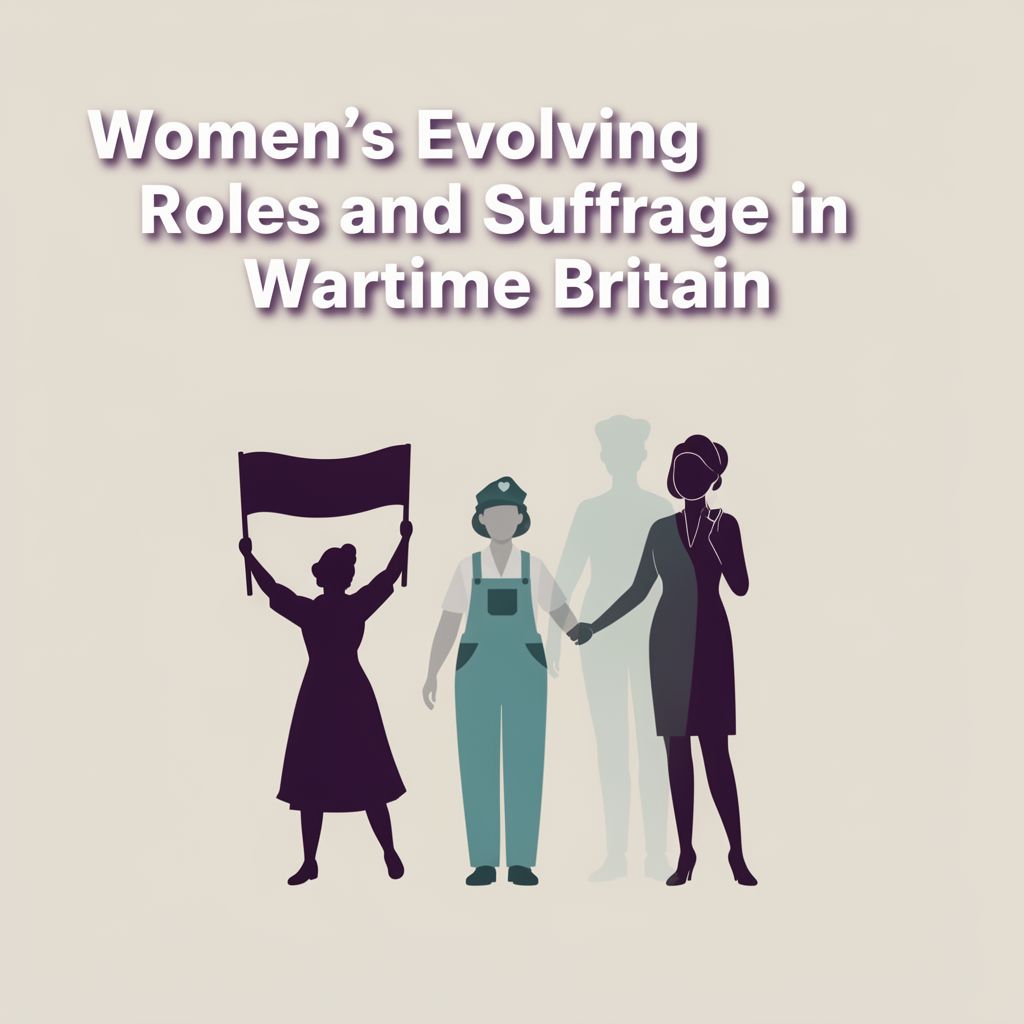
Sesli Özet
6 dakikaKonuyu otobüste, koşarken, yolda dinleyerek öğren.
Sesli Özet
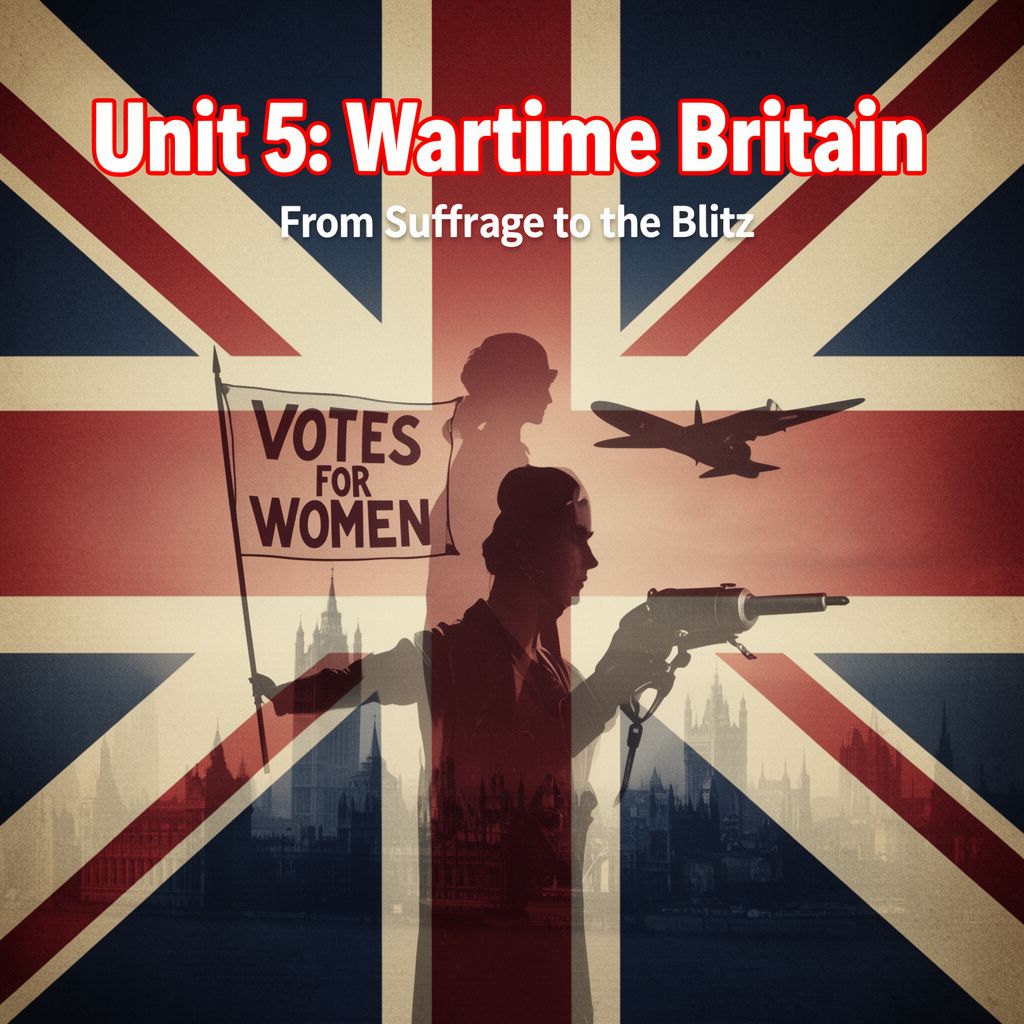
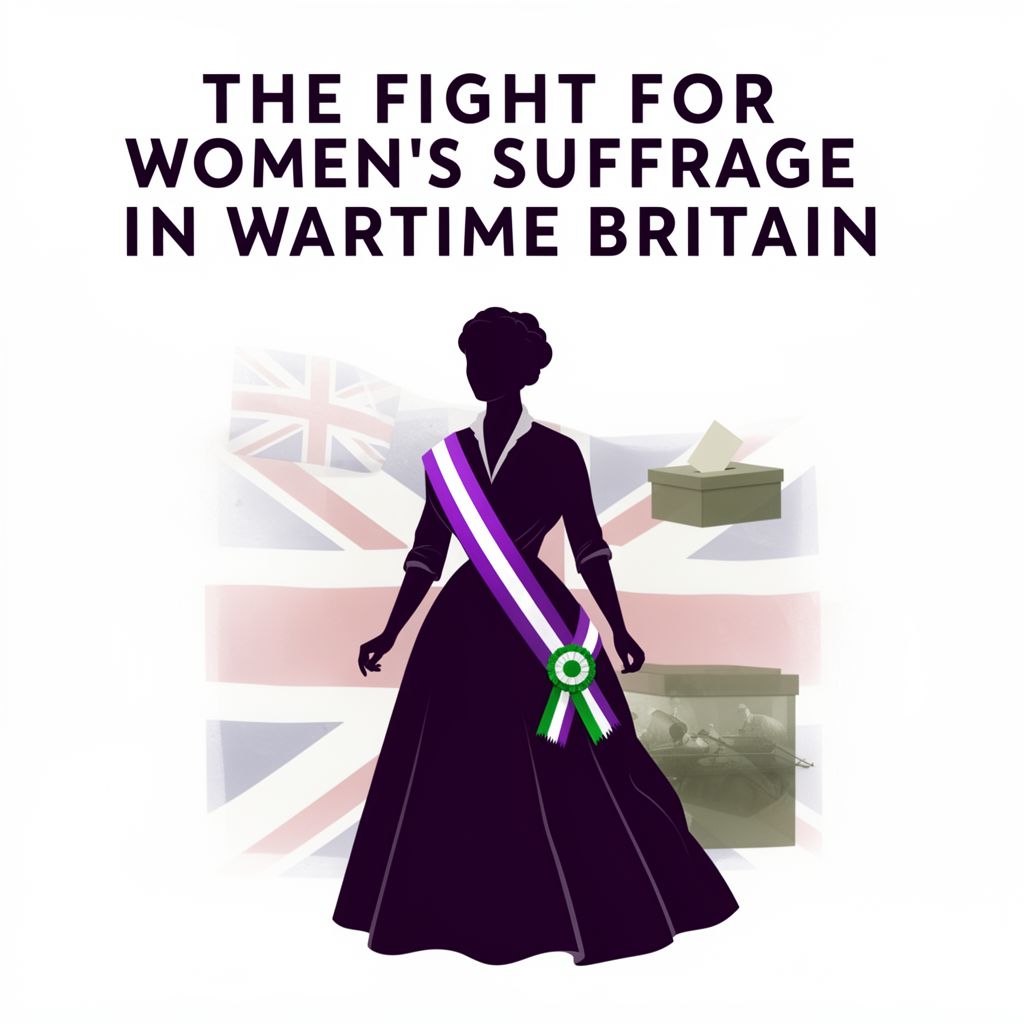
Women's Evolving Roles and Suffrage in Wartime Britain
Flash Kartlar
25 kartKarta tıklayarak çevir. ← → ile gez, ⎵ ile çevir.
Tüm kartları metin olarak gör
1. What was the general status of women globally at the dawn of the 20th century regarding their rights?
At the beginning of the 20th century, women globally faced significant limitations and were often treated as second-class citizens. Very few women possessed the right to vote, which is known as suffrage. This meant their political influence was severely restricted, and they had limited agency in societal decision-making processes.
2. What were some prevailing beliefs about women's capabilities that limited their educational opportunities and suffrage?
Despite reports like the 1868 Taunton Report affirming equal mental capacities, prevailing beliefs often labeled women as 'irrational' and 'emotional.' These stereotypes were used to justify restricted educational opportunities and to argue that women did not require suffrage, as their male relatives could supposedly vote on their behalf, representing their interests.
3. Name two significant early successes of feminist campaigns in Britain before the major suffrage movements.
Early feminist campaigns achieved notable successes in improving women's education and property rights. By 1864, 12 secondary schools for girls were established in Britain, and in 1878, the University of London began awarding degrees to women. A crucial victory came in 1882 when married British women gained the right to own their own property, which was previously automatically transferred to their husbands.
4. Which country was the first to grant women the right to vote, and in what year did this occur?
New Zealand became the first country to grant women the right to vote in 1893. This landmark event served as a significant turning point and ignited renewed hope and inspiration for the suffrage cause in Britain and other parts of the world. It demonstrated that women's suffrage was an achievable goal.
5. What was the full name of the NUWSS, who led it, and when was it formed?
The NUWSS stands for the National Union of Women's Suffrage Societies. It was formed in 1897 and was led by Millicent Fawcett. This organization played a crucial role in the early stages of the British suffrage movement, advocating for women's voting rights through peaceful and constitutional means.
6. Describe the primary tactics employed by the Suffragists (NUWSS) in their campaign for women's suffrage.
The Suffragists, led by Millicent Fawcett, advocated for the vote through peaceful and constitutional methods. Their primary tactics included logical arguments, petitions to Parliament, direct negotiations with politicians, and large-scale public demonstrations. They believed in working within the existing political system to achieve their goals, emphasizing reasoned debate and public persuasion.
7. What was the main argument put forth by the NUWSS regarding women's right to vote?
The main argument put forth by the NUWSS was that since women were required to obey the laws of the land, they should inherently have a say in their creation. This argument highlighted the fundamental principle of 'no taxation without representation' and emphasized the injustice of women being subject to laws they had no part in electing.
8. What was the full name of the WSPU, who founded it, and when was it established?
The WSPU stands for the Women's Social and Political Union. It was founded in 1903 by Emmeline Pankhurst and her daughters, Christabel and Sylvia. This organization emerged from a growing frustration with the slow progress of the peaceful suffrage movement, leading them to adopt more militant tactics.
9. What was the slogan adopted by the Suffragettes (WSPU), and what did it signify?
The slogan adopted by the Suffragettes was 'deeds not words.' This slogan signified their belief that peaceful protests and logical arguments were insufficient to achieve their goals. They felt that more direct, impactful, and often disruptive actions were necessary to draw attention to their cause and force political change.
10. List three examples of militant tactics used by the Suffragettes.
The Suffragettes engaged in various militant tactics to draw attention to their cause. These included chaining themselves to buildings, disrupting political meetings, smashing windows of government buildings and businesses, bombing mailboxes, and setting fire to empty buildings. These actions, while controversial, undeniably brought significant publicity to their movement.
11. What were the consequences faced by many Suffragettes who were arrested for their actions?
Thousands of Suffragettes were arrested for their militant actions. In prison, many undertook hunger strikes as a form of protest. In response, authorities often resorted to brutal force-feeding to prevent them from dying, or temporarily released them under the 'Cat and Mouse Act,' which allowed them to recover before being re-arrested.
12. Who was Emily Davison, and what tragic event made her a martyr for the suffrage cause?
Emily Davison was a prominent Suffragette who became a martyr for the cause in 1913. She was killed at the Epsom Derby when she ran onto the racecourse and attempted to attach a suffragette banner to the King's horse. This shocking event, captured by cameras, garnered global attention and highlighted the extreme dedication of some Suffragettes.
13. How did the outbreak of the First World War impact the suffrage campaigns in Britain?
The outbreak of the First World War in 1914 brought the suffrage campaigns in Britain to a halt. Both the NUWSS and WSPU temporarily suspended their political protests. They chose to cooperate with the government, promoting male enlistment and encouraging women to contribute to the war effort, believing this would demonstrate women's worth as loyal citizens.
14. What was the Defence of the Realm Act (DORA) and its significance during WWI?
The Defence of the Realm Act (DORA) was passed in 1914, marking Britain's adoption of a 'total war' policy. This act mobilized the entire society for the war effort, granting the government extensive powers to control public life and resources. It was crucial in enabling the large-scale societal reorganization needed to sustain the war.
15. How did women's roles in Britain dramatically change during the First World War?
During the First World War, women's roles in Britain dramatically reshaped as they stepped into jobs traditionally held by men who had gone to war. Over two million women volunteered, working in munitions factories, on farms, in transport, and as police officers. This shift challenged existing attitudes about women's capabilities and their place in society.
16. Provide statistics on women's involvement in key industries during WWI by 1918.
By 1918, women constituted a significant portion of the workforce in crucial sectors. They made up 90% of munitions factory workers, 4,000 police officers, 117,000 transport workers, and 260,000 farm laborers. These numbers highlight the extensive and vital contribution women made to the British war effort.
17. Describe the working conditions faced by women in munitions factories during WWI.
Women working in munitions factories during WWI faced arduous and challenging conditions. Their work often involved exposure to toxic fumes, long 12-hour shifts, and limited time off. Despite these difficulties, they also had to manage household duties and ration queues, making their contribution particularly demanding.
18. What was the temporary nature of women's wartime employment after WWI?
The roles women filled during WWI were largely temporary. When men returned from the front lines, many women lost their jobs. Society largely expected them to revert to more traditional domestic roles, despite their proven capabilities and significant contributions to the war effort.
19. What was the 1918 Representation of the People Act, and what did it grant regarding women's suffrage?
The 1918 Representation of the People Act granted universal suffrage to all men over 21. Crucially, it also extended the right to vote to approximately 40% of women, specifically those over 30 who met a middle-class property qualification. This was a significant step, though not full equality.
20. When did all British women finally achieve the same voting rights as men, and what was the name of the act?
All British women finally achieved the same voting rights as men with the passage of the 1928 Equal Franchise Act. This act came after another decade of campaigning following the 1918 reforms, ensuring full electoral equality for women regardless of age or property qualifications.
21. How did the interwar years (between WWI and WWII) impact women's social freedoms?
The interwar years saw increased social experimentation and freedoms for women. Victorian moral and physical restraints were largely abandoned, allowing middle-class women to walk unchaperoned, smoke, wear makeup, and drink alcohol freely. This era also saw the rise of the 'flapper' phenomenon, characterized by shorter hair and looser dresses.
22. What was the significance of the Home Front during the Second World War compared to WWI?
The importance of the Home Front during the Second World War, which erupted in 1939, was even more pronounced than in WWI. The government implemented more comprehensive measures to mobilize the civilian population, recognizing that the entire nation's effort was critical for victory.
23. What was the National Service Act of 1941, and whom did it conscript for war work?
The National Service Act of 1941 legalized the conscription of all men under 50 and all women under 30 into government-assigned war work. This act demonstrated the government's commitment to total mobilization, ensuring that both men and women contributed directly to the war effort in various essential roles.
24. Provide examples of roles women filled during WWII by 1943.
By 1943, 7.25 million women were engaged in diverse war work roles. These included mechanics, engineers, munitions workers, air-raid wardens, telephone operators, and fire engine drivers. Additionally, 80,000 women worked in the Women's Land Army, and 640,000 served in women's auxiliary units of the army, navy, and air force, even abroad.
25. What was the Women's Land Army, and what was its primary purpose during WWII?
The Women's Land Army was an organization during WWII that employed approximately 80,000 women. Its primary purpose was to ensure agricultural production by having women work on farms, replacing male laborers who had gone to fight. They played a crucial role in maintaining food supplies for the nation during wartime.
Bilgini Test Et
15 soruÇoktan seçmeli sorularla öğrendiklerini ölç. Cevap + açıklama.
Which report, published in 1868, affirmed the equal mental capacities of girls and boys, challenging prevailing beliefs about women's intellectual abilities?