 Podit
Podit
Biology Study Guide: Principles of Organization and Nutrition
Source Information: This study material has been compiled from copy-pasted text notes and a lecture audio transcript.
📚 Introduction to Biological Organization and Nutrition
Biology is the study of living organisms, encompassing their structural hierarchy, functional processes, and essential requirements for sustenance. This guide systematically addresses the organization of life from the cellular level to complex organ systems, alongside a comprehensive examination of vital food groups and their roles in maintaining biological functions. Understanding these foundational concepts is crucial for comprehending the complexity and interconnectedness of living organisms and their dietary needs.
1. 🧬 Principles of Biological Organization
All living things exhibit a hierarchical organization, starting from the most basic units and building up to complex systems.
1.1. The Basic Units of Life
- Organism: A living thing. ✅
- Cells: The fundamental building blocks of all organisms. They are the basic structural and functional units of life.
- Animal cells have an approximate shape and size, with each cell exhibiting a distinct morphology tailored to its function.
- Nucleus: Controls the activities of the cell.
- Mitochondria: Cellular components where oxygen is used with glucose to release energy through a process called respiration.
- Chloroplast: (Mentioned as a key cellular component, primarily found in plant cells for photosynthesis).
- Cellular Division (Mitosis): During mitosis, chromosomes are pulled to opposite ends of the cell before the cell divides, ensuring genetic continuity.
1.2. Levels of Organization
Life is organized in a progressive hierarchy:
- Atoms: The smallest units of matter.
- Molecules: Formed when atoms combine.
- Cells: Molecules assemble into cells.
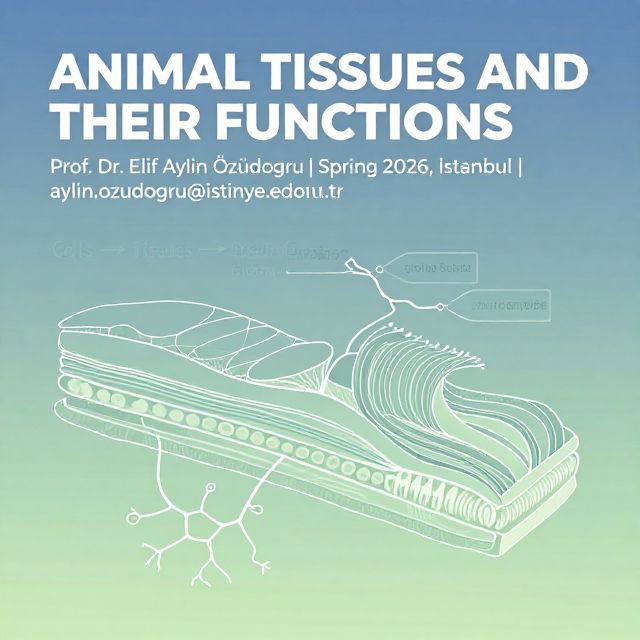
- Tissues: Groups of cells with a similar structure and function.
- Organs: Groups of tissues working together to perform a specific function.
- Organ Systems: Groups of organs working together to achieve broader physiological goals.
- Organism: A complete living entity.
1.3. Key Biological Processes
- Respiration: The process in mitochondria where oxygen is used with glucose to release energy.
- Movement of Salt: Can occur from a dilute solution through a partially permeable membrane (a process related to osmosis).
- Oxygen Pathway: Oxygen follows a specific pathway within the body: Lungs → Blood → Cells.
2. 🔬 Tissues, Organs, and Organ Systems
2.1. Tissues
📚 Definition: A tissue is a group of cells with a similar structure and function.
- Example: Fat tissue.
2.2. Organs
📚 Definition: Organs consist of groups of tissues working collaboratively to perform a specific function.
- Organs can be integral parts of one or multiple organ systems.
Example: The Stomach
The stomach is an organ composed of different tissues working together:
- Epithelial tissue: Covers both the inside and outside surfaces of the stomach.
- Glandular tissue: Produces enzymes and other digestive juices.
- Muscular tissue: Contracts to churn food within the stomach.
2.3. Organ Systems
📚 Definition: Organ systems are groups of organs that function together to achieve broader physiological goals. Here are some major organ systems and their primary functions:
- Respiratory System: Gas exchange (taking in oxygen, releasing carbon dioxide).
- Digestive System: Breaks down food into smaller molecules for absorption.
- Circulatory System: Transports substances (like oxygen, nutrients, hormones) throughout the body.
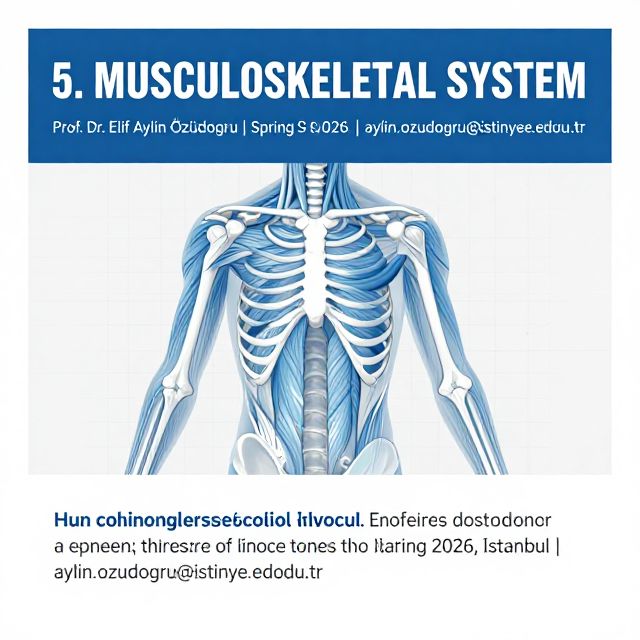
- Skeletal System: Provides structural support and protection for organs.
- Muscular System: Facilitates movement.
- Nervous System: Controls and coordinates body responses.
- Endocrine System: Regulates bodily functions through the production and release of hormones.
3. 🍎 Essential Nutrients and Dietary Balance
Maintaining a balanced diet is crucial for health, meaning the consumption of correct amounts of various food groups.
3.1. Food Groups for a Balanced Diet
A balanced diet contains the correct proportions of:
- Carbohydrates
- Proteins
- Fats (Lipids)
- Vitamins
- Minerals
- Fibre
- Water
3.2. Functions of Macronutrients
Each food group serves distinct functions essential for growth, energy provision, and bodily maintenance.
- Carbohydrates 🍞
- Function: Primarily used by the body for energy.
- Examples: Bread, rice, pasta, cereals, potatoes.
- Proteins 🥩
- Function: Needed for growth and the repair of tissues.
- Examples: Meat, fish, eggs, beans.
- Fats (Lipids) 🧈
- Function: Provide long-term energy storage, insulation, and protection for organs.
- Examples: Oils, butter, dairy products.
- Fibre 🥦
- Function: Helps food move through the digestive system, preventing constipation.
- Water 💧
- Function: Indispensable for numerous chemical reactions within the body and critical for preventing dehydration.
4. 🧪 Biochemical Tests for Macronutrients
Biochemical tests are employed to identify the presence of specific macronutrients in food samples.
4.1. Testing for Carbohydrates
- For Glucose (Simple Sugar): Benedict's Solution Test
- Add Benedict's solution to the food sample.
- Heat gently in a water bath.
- Positive Result: Solution turns orange/red.
- For Starch (Complex Carbohydrate): Iodine Test
- Add a few drops of Iodine solution to the food sample.
- Positive Result: Solution turns blue-black.
4.2. Testing for Proteins
- Biuret Test
- Add Biuret reagent (usually a mixture of sodium hydroxide and copper sulfate) to the food sample.
- Shake gently.
- Positive Result: A purple or lilac color appears.
4.3. Testing for Lipids (Fats and Oils)
- Ethanol Emulsion Test
- Add ethanol to the food sample and shake vigorously to dissolve any lipids.
- Carefully pour the ethanol solution into a test tube containing water.
- Positive Result: A milky white emulsion forms, indicating the presence of lipids.
💡 Conclusion: Interconnectedness of Life
This study guide has highlighted the fundamental principles governing biological organization, from the basic cellular unit to the intricate interplay of tissues, organs, and organ systems. We've explored how these components collaborate to sustain life, alongside the critical role of nutrition. Understanding the essential food groups and their functions, as well as how to test for them, provides a comprehensive view of how organisms are structured and maintained. The interconnectedness of these biological systems and their nutritional requirements is key to comprehending the complexity of life.