 Podit
Podit
📚 Biology Fundamentals: An Overview of Life's Processes and Systems
This study material has been compiled and organized from a lecture audio transcript and a general list of biological topics. It aims to provide a clear and structured overview of fundamental biological concepts.
Introduction to Biological Foundations
Biology is the scientific study of life, exploring the intricate mechanisms that govern living organisms and their interactions with the environment. This guide will introduce you to essential human body systems, core biological processes like nutrition, photosynthesis, and respiration, and fundamental ecological principles that explain the interconnectedness of life on Earth.
1. Human Body Systems: The Machinery of Life
The human body is a marvel of biological engineering, composed of various systems working in harmony to sustain life.
1.1. Digestive System 🍎
The digestive system is responsible for breaking down food into nutrients that the body can absorb and utilize for energy, growth, and repair.
- Process: Food travels through a complex pathway where it is mechanically and chemically broken down.
- Key Organs:
- Mouth: Begins mechanical digestion (chewing) and chemical digestion (saliva).
- Esophagus: Tube connecting the mouth to the stomach.
- Stomach: Churns food and mixes it with digestive acids and enzymes.
- Small Intestine: Primary site for nutrient absorption into the bloodstream.
- Large Intestine: Absorbs water and forms waste into stool.
- Function: Transforms food into usable fuel for the body.
1.2. Respiratory System 🌬️
The respiratory system facilitates gas exchange, taking in oxygen and expelling carbon dioxide.
- Primary Function:
- Oxygen Intake: Essential for cellular respiration (energy production).
- Carbon Dioxide Expulsion: Removes a waste product from the body.
- Main Organ: Lungs – where oxygen diffuses into the bloodstream and carbon dioxide diffuses out.
- Importance: Vital for maintaining cellular function and overall survival.
1.3. Circulatory System ❤️
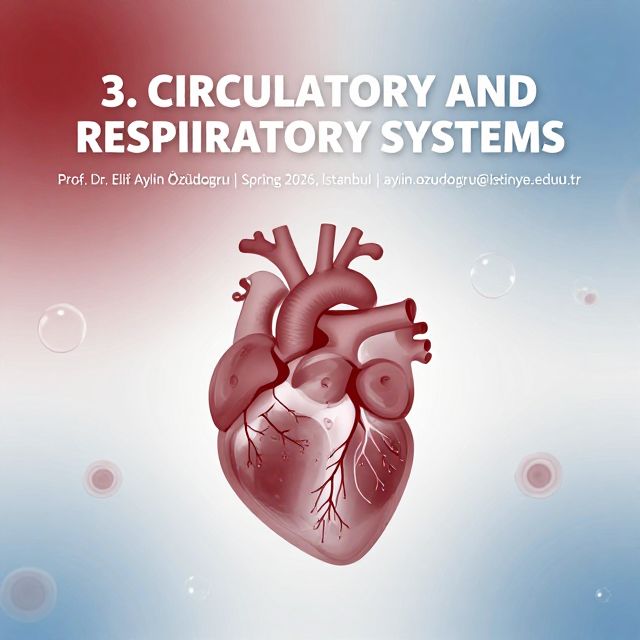
Also known as the cardiovascular system, this acts as the body's transportation network.
- Components:
- Heart: Pumps blood throughout the body.
- Blood Vessels: Arteries, veins, and capillaries that transport blood.
- Blood: Carries oxygen, nutrients, hormones, and waste products.
- Role: Ensures every cell receives necessary resources and waste is efficiently removed.
- Example: Oxygenated blood leaves the heart via arteries to reach tissues, while deoxygenated blood returns to the heart via veins.
2. Sustaining Life: Nutrition and Core Biological Processes
Beyond structural systems, life requires energy and building blocks, obtained through nutrition and fundamental biological processes.
2.1. Nutrition & A Balanced Diet 🥗
Proper nutrition is crucial for health, providing energy and materials for all bodily functions.
- Balanced Diet: Includes a variety of foods from different groups.
- Macronutrients:
- Carbohydrates: Primary energy source.
- Proteins: Essential for growth and repair.
- Fats: Energy storage, insulation, and organ protection.
- Micronutrients:
- Vitamins: Organic compounds vital for various bodily functions.
- Minerals: Inorganic elements needed for health.
- Goal: Fueling the body intelligently for optimal health and disease prevention.
2.2. Photosynthesis ☀️🌿
This incredible process converts light energy into chemical energy.
- Organisms: Green plants, algae, and some bacteria.
- Inputs: Light energy (typically from the sun), carbon dioxide (CO₂), and water (H₂O).
- Outputs: Glucose (chemical energy/sugar) and oxygen (O₂).
- Equation (Simplified): 6CO₂ + 6H₂O + Light Energy → C₆H₁₂O₆ + 6O₂
- Significance: Forms the basis of almost all food chains on Earth, producing both food and the oxygen we breathe.
2.3. Cellular Respiration ⚡
The process by which organisms break down food molecules to release energy.
- Location: Occurs in the cells of both plants and animals.
- Inputs: Glucose (from food) and often oxygen.
- Outputs: Energy (ATP), carbon dioxide (CO₂), and water (H₂O).
- Equation (Simplified): C₆H₁₂O₆ + 6O₂ → 6CO₂ + 6H₂O + Energy (ATP)
- Relationship with Photosynthesis: These two processes are intrinsically linked, forming a fundamental cycle of energy and matter in ecosystems. Photosynthesis creates the glucose and oxygen used by respiration, and respiration produces the carbon dioxide and water used by photosynthesis.
3. Interconnectedness: Reproduction and Ecology
Life's continuity and interactions with the environment are explored through reproduction and ecology.
3.1. Reproduction (Plants & Humans – Basics) 🌱👶
Reproduction is a fundamental characteristic of all living organisms, ensuring the continuation of species.
- Plant Reproduction:
- Asexual: Involves a single parent, producing genetically identical offspring (e.g., cuttings).
- Sexual: Typically involves flowers, pollination, and the fusion of gametes to produce seeds. This allows for genetic diversity and adaptation.
- Human Reproduction:
- Sexual: Involves the fusion of male and female gametes (sperm and egg) to form a zygote.
- Development: The zygote develops into a new individual.
- Complexity: Involves specialized reproductive organs and hormonal regulation.
3.2. Ecology: Organisms and Their Environment 🌍
Ecology is the study of interactions among organisms and their environment.
3.2.1. Food Chains & Food Webs 🔗
These illustrate the flow of energy through an ecosystem.
- Food Chain: Shows a single pathway of energy transfer.
- Example: Grass → Rabbit → Fox
- Food Web: Depicts multiple interconnected food chains, highlighting complex feeding relationships within an ecosystem.
- Example: A rabbit might eat grass, but a fox might eat rabbits, mice, or birds, creating a more intricate network.
3.2.2. Habitats 🏡
A habitat is the natural environment where an organism lives.
- Definition: Provides all necessary resources for an organism's survival, such as food, water, shelter, and space.
- Examples: A forest is a habitat for deer, a pond for frogs, or the ocean for fish.
3.2.3. Adaptations 💡
Adaptations are special features or behaviors that allow organisms to survive and thrive in their specific habitats.
- Purpose: Enhance an organism's chances of survival and reproduction in its environment.
- Examples:
- A camel's hump stores fat for energy and water in the desert.
- A polar bear's thick fur and blubber provide insulation in cold climates.
- Mimicry, where one species evolves to resemble another, often for protection.
3.2.4. Environmental Issues ⚠️
These are significant challenges impacting ecosystems and biodiversity.
- Examples:
- Pollution: Contamination of air, water, and soil.
- Deforestation: Clearing of forests for other land uses.
- Climate Change: Long-term shifts in temperatures and weather patterns.
- Importance: Understanding these issues is crucial for protecting our natural world and ensuring a sustainable future.
This comprehensive overview provides a solid foundation for further exploration into the wonders of biology and the interconnectedness of all life.