This study material has been compiled from a general knowledge base and structured to meet the specific learning objectives for your oral exam, with a special focus on survival in the Australian Outback.
🇦🇺 The Australian Outback: A Survival Guide
Welcome to the vast and unique world of the Australian Outback! This guide will help you understand what the Outback is, why it's so challenging, and most importantly, how to survive if you ever find yourself lost in its incredible landscape.
📚 1. What is the Australian Outback?
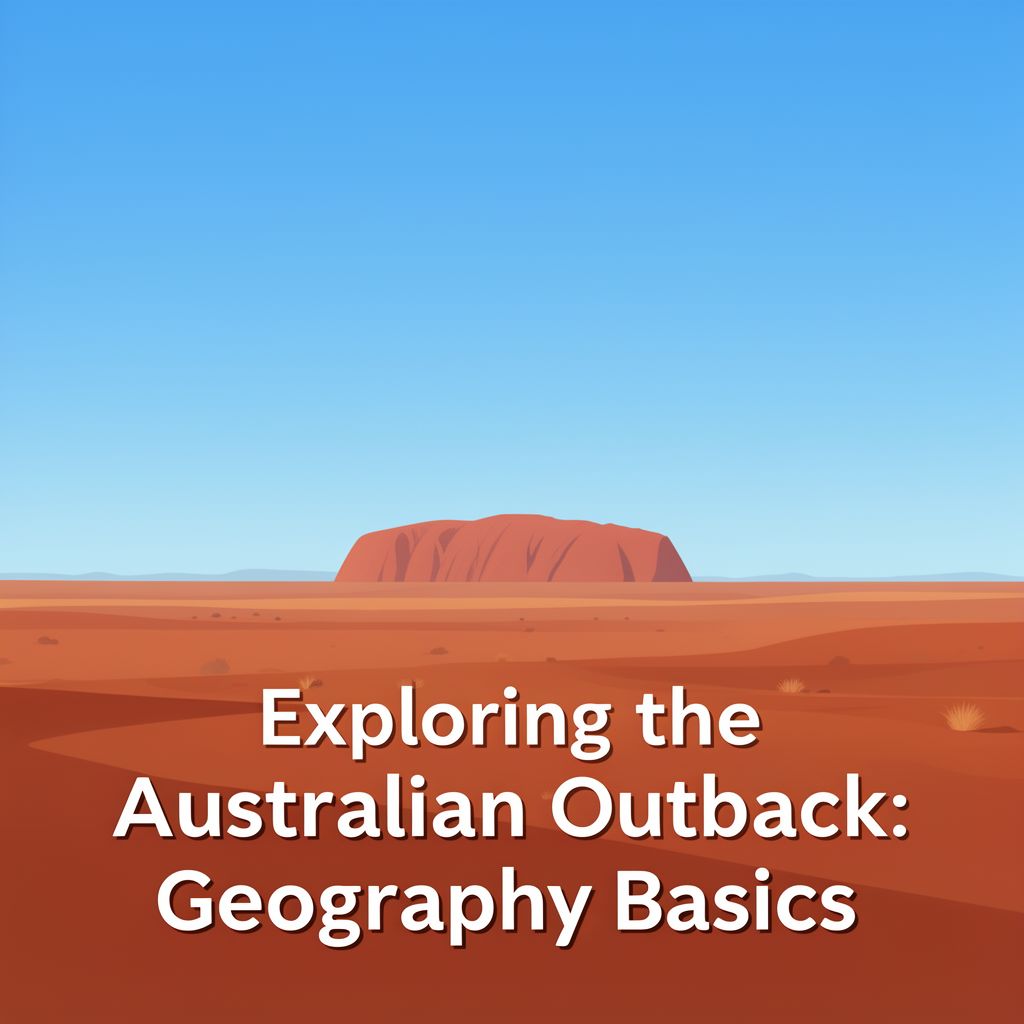
The Outback refers to the remote, vast, and sparsely populated interior of Australia. Imagine a place so immense that it's bigger than many European countries combined!
- Vastness: It covers about 70% of Australia's landmass.
- Landscape: Characterized by stunning red deserts, rocky formations, dry riverbeds (called "creeks" even when dry), and unique scrubland.
- Population: Very few towns or people, making it one of the most remote places on Earth.
- Wildlife: Home to unique animals like kangaroos, emus, dingoes, and many venomous creatures.
🏜️ 2. Why is the Outback So Challenging?
The Outback is beautiful but also incredibly dangerous due to its extreme conditions. Understanding these challenges is the first step to respecting and surviving in this environment.
2.1. Extreme Climate 🌡️
- Scorching Heat: Daytime temperatures can soar well above 40°C (104°F), leading to rapid dehydration and heatstroke.
- Cold Nights: Don't be fooled by the day! Nights can get surprisingly cold, especially in winter, risking hypothermia.
- Sudden Changes: Weather can change quickly, with dust storms or flash floods (rare, but possible in dry riverbeds).
2.2. Vastness and Remoteness 🗺️
- Easy to Get Lost: With few landmarks, roads, or signs, it's very easy to lose your way.
- Limited Help: If you get lost, finding help can take days due to the sheer distance between settlements and the lack of communication signals.
2.3. Scarcity of Water 💧
- Life-Threatening: Water is the single most critical factor for survival. You can't last long without it in the heat.
- Dry Riverbeds: Many "rivers" are dry for most of the year.
- Hidden Sources: Water might be found in rock holes (gnammas) or just below the surface of dry riverbeds, but these are hard to locate.
2.4. Dangerous Wildlife 🐍🕷️
While most animals prefer to avoid humans, some can be dangerous if encountered:
- Venomous Snakes: Many species, including some of the world's most venomous.
- Spiders & Scorpions: Some bites can be painful or dangerous.
- Dingoes: Wild dogs that generally avoid people but can be curious or protective of their territory.
- Crocodiles: In the northern, tropical parts of the Outback (not typically the central desert), saltwater crocodiles are a serious threat near water sources.
🚨 3. The Big Three Survival Essentials
If you find yourself lost in the Outback, your immediate focus should be on these three priorities:
3.1. Water 💧 (Most Important!)
- Carry Plenty: Always carry much more water than you think you'll need.
- Ration Carefully: If lost, ration your water. Don't drink it all at once.
- Finding Water:
- Look for natural rock holes or depressions where rainwater might collect.
- Dig in the lowest parts of dry riverbeds; water can sometimes be found a few feet below the surface.
- Collect dew in the morning using a cloth or plastic sheet.
- Avoid drinking urine or seawater – they will dehydrate you further.
3.2. Shelter 🏕️
- Protection from Elements: Shelter protects you from the sun's deadly rays during the day and the cold at night.
- Natural Shelter: Use the shade of trees, large rocks, or caves.
- Improvised Shelter: If possible, build a simple lean-to using branches and leaves to create shade. Even digging a shallow trench can offer some protection from wind and sun.
- Conserve Energy: Good shelter helps you conserve energy and avoid heatstroke or hypothermia.
3.3. Signalling for Help 📡
- Stay with Your Vehicle: If you have a car, DO NOT LEAVE IT! It's much easier for search parties to spot a vehicle from the air than a person.
- Make Yourself Visible:
- Mirror/Shiny Object: Use a mirror, phone screen, or any shiny object to flash at passing aircraft.
- Signal Fire: Build a signal fire. Three fires in a triangle is a universal distress signal. Use green leaves or damp material to create smoke during the day.
- Bright Clothing: Wear bright clothing if you have it.
- Ground Signals: Arrange rocks or branches to spell out "SOS" or create large arrows pointing to your location.
- Stay Put: Wandering off makes it harder for rescuers to find you. Stay in one place once you've established your position and shelter.
🧭 4. How to Survive in the Outback for 5 Days (Special Focus)
Surviving for 5 days in the Outback requires careful preparation, mental strength, and smart decision-making.
4.1. 💡 Before You Go: Preparation is Key!
- Tell Someone Your Plans: Always inform a reliable person about your exact route, destination, and expected return time.
- Pack Essentials:
- ✅ Water: At least 5-10 liters per person per day for a 5-day trip (more if possible).
- ✅ Food: Non-perishable, high-energy snacks (nuts, dried fruit, energy bars).
- ✅ First-Aid Kit: Comprehensive, including snake bite bandages, pain relievers, antiseptic.
- ✅ Navigation: GPS device, map, compass (and know how to use them).
- ✅ Communication: Satellite phone or personal locator beacon (PLB) – mobile phones often have no signal.
- ✅ Sun Protection: Wide-brimmed hat, sunglasses, long-sleeved clothing, high SPF sunscreen.
- ✅ Tools: Knife, multi-tool, shovel, matches/lighter, torch (flashlight) with spare batteries.
- ✅ Shelter: Tarp or emergency blanket.
- Vehicle Check: If driving, ensure your vehicle is in excellent condition, has spare tires, extra fuel, and recovery gear.
4.2. 1️⃣ Day 1: Initial Response & Assessment
- Stay Calm: Panic is your biggest enemy. Take deep breaths.
- Assess the Situation:
- Are you injured? Check yourself and companions.
- What supplies do you have (water, food, first aid, communication)?
- Do you know your last known location?
- Stay with Your Vehicle (if applicable): This is crucial. Your car is a large, visible object and offers some shelter.
- Immediate Water Search/Rationing:
- Calculate how much water you have and divide it into daily rations.
- Start looking for potential water sources nearby, but don't wander far.
- Basic Shelter: Find or create immediate shade to protect from the sun. Conserve energy.
4.3. 2️⃣ Day 2: Water & Shelter Refinement
- Continue Water Management: Stick to your rationing plan. If you found a source, manage it carefully.
- Improve Shelter: Enhance your shelter to provide better protection from sun and wind. Digging a shallow pit can help keep you cooler during the day and warmer at night.
- Start Signalling Efforts:
- If you have a mirror, start flashing it towards the sky or any distant sounds.
- Prepare materials for a signal fire (three piles of wood in a triangle).
- Food Considerations: Focus on water. Food is secondary; you can survive longer without food than water. Eat small amounts of high-energy food if available.
4.4. 3️⃣ Day 3: Sustained Efforts & Morale
- Maintain Routine: Continue your water rationing, shelter maintenance, and signalling efforts.
- Conserve Energy: Move as little as possible during the hottest parts of the day. Rest in the shade.
- Mental Resilience: Keep a positive mindset. Focus on small tasks. Talk to companions if you have them. Avoid negative thoughts.
- Wildlife Awareness: Be aware of your surroundings. Check shoes before putting them on. Be cautious when moving rocks or branches.
4.5. 4️⃣ Day 4: Hope & Persistence
- Don't Give Up: This is a critical point. Fatigue and despair can set in. Remind yourself that search parties are likely looking for you.
- Re-evaluate Resources: Check remaining water and food. Adjust rationing if necessary.
- Continue Signalling: Keep your signal fire ready. Continue flashing with a mirror. Make noise if you hear anything.
- Stay Hydrated: Even if water is scarce, every sip helps. Dehydration is the biggest threat.
4.6. 5️⃣ Day 5: Critical Point & Continued Action
- Maximum Signalling Effort: This is a crucial day. Maximize your visibility. Keep your signal fire smoking during the day and burning at night if possible.
- Stay Put: Resist the urge to wander off in desperation. Rescuers will be searching a specific area.
- Focus on Protection: Keep yourself shaded and as comfortable as possible. Protect your skin from the sun.
- Hope: Maintain hope. Many people have been rescued after several days in the Outback.
4.7. ⚠️ General Survival Tips for 5 Days
- Never Travel Alone: Always travel with at least one other person.
- Know Your Limits: Don't take unnecessary risks.
- Listen to Your Body: Pay attention to signs of dehydration or heatstroke (headache, dizziness, confusion).
- First Aid: Treat any injuries immediately to prevent infection.
- Positive Attitude: A strong will to survive significantly increases your chances.
✅ Key Takeaways for Your Exam
- The Australian Outback is a vast, remote, and beautiful but dangerous environment.
- Extreme heat, lack of water, and isolation are the main challenges.
- The "Big Three" survival priorities are Water, Shelter, and Signalling.
- Preparation is crucial before entering the Outback.
- If lost, stay with your vehicle and stay put.
- Ration water carefully and conserve energy.
- Maintain a positive attitude and keep signalling for help.
By understanding these points, you'll be well-prepared for your oral exam and have a good grasp of what it takes to respect and survive in the incredible Australian Outback! Good luck!