 Podit
Podit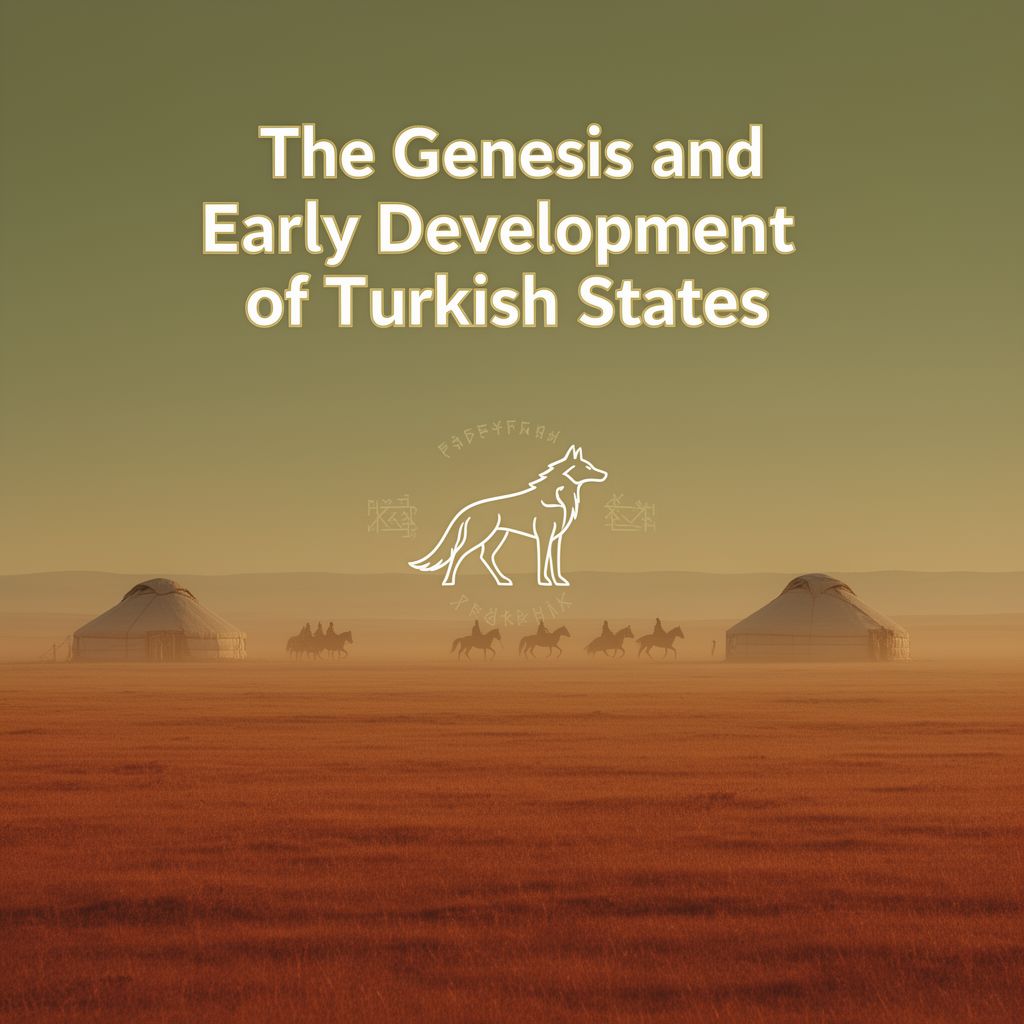
This content is based on a YouTube video.
📚 Early Turkish States: Genesis and Development
🌍 Introduction to Early Turkic Civilizations
The study of early Turkish states is crucial for understanding the historical journey of Turkic peoples and their significant influence on Eurasian history. Originating in the vast steppes of Central Asia, these early political entities developed unique socio-political structures, military strategies, and cultural practices. These foundations were instrumental in shaping subsequent empires. This study material will explore the geographical and cultural context of their emergence, their characteristic nomadic lifestyle, and detail the formation and significance of the Xiongnu Confederacy as a foundational example of early Turkish statehood.
🏞️ Origins and Nomadic Foundations in Central Asia
The earliest Turkic-speaking peoples emerged from the expansive region of Central Asia, an area defined by its vast steppes, deserts, and mountain ranges. This challenging environment profoundly influenced their societal development, leading to a predominantly nomadic pastoralist lifestyle.
✅ Key Characteristics:
- Geographical Context:
- Central Asia: Characterized by vast steppes, deserts, and mountain ranges.
- This environment significantly shaped their way of life.
- Nomadic Pastoralist Lifestyle:
- Economic Activities: Centered on animal husbandry, primarily horses, sheep, and cattle.
- Seasonal Migrations: Necessary to find pasture for their herds.
- Mobility:
- Not just an economic necessity but also a defining cultural and military advantage.
- Fostered resilience, adaptability, and a strong martial tradition.
- Social Organization:
- Fundamentally tribal, structured around clans and larger tribal confederations.
- Kinship ties were paramount, forming the basis for political allegiance and military mobilization.
- Leadership:
- Often emerged from distinguished warrior families or individuals.
- Required exceptional military prowess and strategic acumen.
- Belief Systems (Tengrism):
- Animistic and Shamanistic: Revered the sky god Tengri.
- Emphasized a deep connection to nature and ancestral spirits.
- Contributed to a collective identity and provided legitimacy for leaders.
- Military Culture:
- Highly developed and central to their survival and expansion.
- Horsemanship and Archery: Core components of their tactical superiority.
- Enabled rapid movement, effective raiding, and defense against rivals and settled civilizations.
🐎 The Xiongnu Confederacy: A Proto-State Model
The Xiongnu Confederacy stands as one of the earliest and most influential examples of a large-scale nomadic state in Central Asia, emerging around the 3rd century BCE. Its rise marked a significant evolution from loose tribal alliances to a more centralized and formidable political structure.
📊 Structure and Governance:
- Emergence: Around the 3rd century BCE, representing a pivotal shift in nomadic political organization.
- Supreme Leader (Chanyu):
- The apex of the Xiongnu state.
- Authority extended over a vast territory and numerous subordinate tribes.
- Power was often hereditary but also depended on military success and maintaining tribal loyalty.
- Hierarchical Administrative System:
- Territory divided into eastern and western wings.
- Each wing governed by a 'wise king' or prince, typically a close relative of the Chanyu.
- This structure facilitated effective governance and military command across their extensive domain.
⚔️ Military Prowess and External Relations:
- Military Effectiveness:
- Highly effective, employing swift cavalry tactics.
- Dominated the steppes and posed a significant threat to neighboring settled empires, notably Han China.
- Interactions with China:
- Complex relationship involving periods of intense warfare, strategic alliances, and economic exchanges.
- Tribute and Trade: Crucial for maintaining Xiongnu power and supporting their nomadic economy.
- Ability to extract resources from China, whether through conquest or diplomatic pressure.
💡 Statecraft and Influence:
- Sophisticated Statecraft:
- Demonstrated understanding of diplomacy, intelligence gathering, and managing diverse ethnic groups within their confederacy.
- Enduring Influence:
- Their political and military innovations profoundly influenced subsequent nomadic empires.
- Provided a template for large-scale nomadic governance and military organization that persisted for centuries, including later Turkic states.
📜 Enduring Legacy of Early Turkish Statehood
The genesis of early Turkish states is deeply rooted in the unique environmental and cultural conditions of Central Asia. This environment fostered a nomadic lifestyle that shaped their economic, social, and military characteristics.
✅ Key Legacies:
- Foundational Elements: Tribal organization, martial prowess, and spiritual beliefs of these early Turkic peoples provided the basis for their political development.
- Xiongnu as a Model: The Xiongnu Confederacy stands as a pivotal example, demonstrating the capacity of nomadic societies to form complex, centralized states capable of challenging established empires.
- Precedents Set: Their innovative political structures, military strategies, and diplomatic engagements set crucial precedents for future Turkic and nomadic polities.
- Historical Impact: The legacy of these early states is evident in the enduring traditions of statecraft, military organization, and cultural identity that continued to evolve and influence the vast Eurasian landmass for millennia, underscoring their critical role in world history.