 Podit
Podit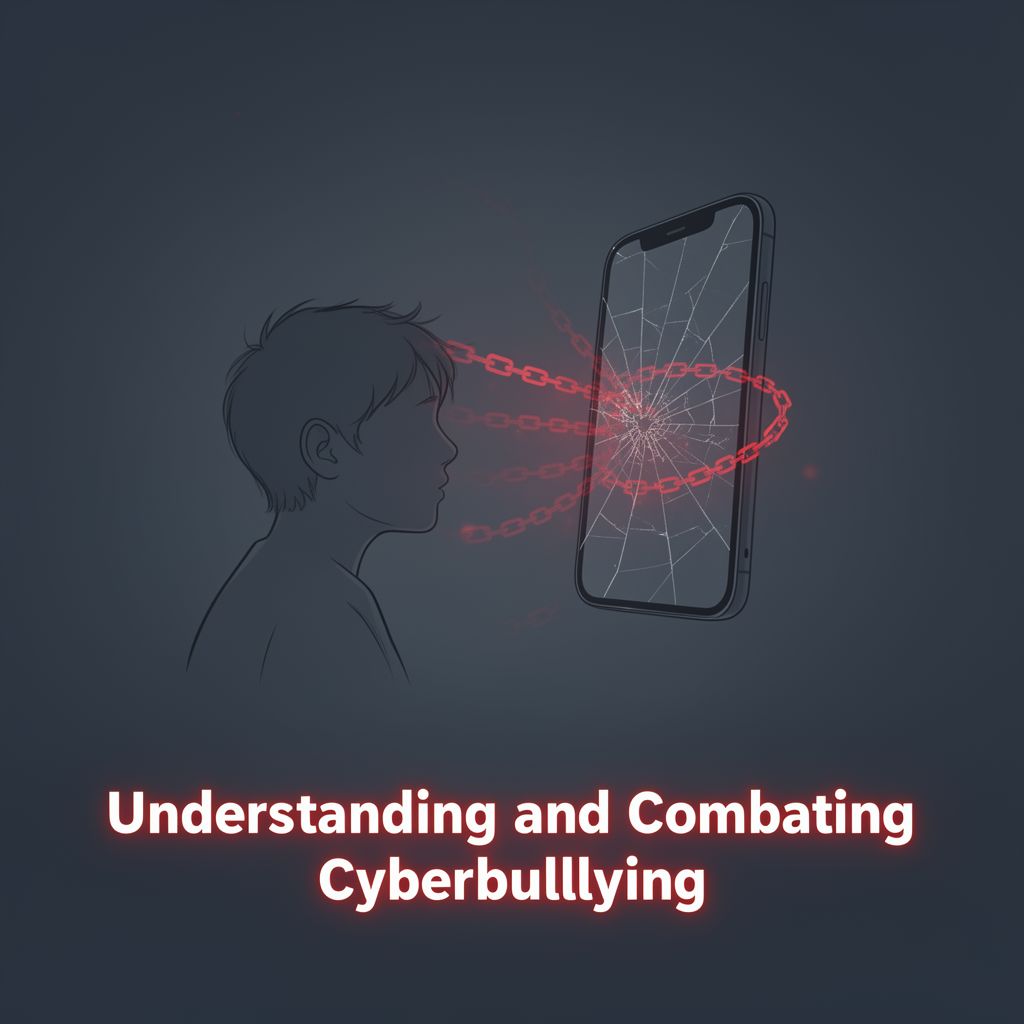
This study material has been compiled from various sources, including copy-pasted text (likely from a PDF or PowerPoint presentation) and a lecture audio transcript.
📚 Cyberbullying: Definition, Types, Causes, Consequences, and Prevention
💡 Introduction
Cyberbullying is a pervasive issue in the digital age, impacting individuals across various online platforms. This study guide provides a comprehensive overview of cyberbullying, covering its definition, characteristics, different forms, underlying causes, severe consequences for both perpetrators and victims, related psychological and social variables, and practical strategies for prevention and intervention. Understanding this phenomenon is crucial for fostering safer online environments.
1️⃣ What is Cyberbullying?
📚 Cyberbullying refers to the use of digital or electronic environments (such as mobile phones, computers, and other technological devices) by an individual or group to intentionally cause distress or harm to others. It involves continuous, deliberate, and aggressive behaviors.
✅ Key Characteristics:
- Digital Medium: Occurs via technological tools like mobile phones, computers, and online platforms.
- Intentional Harm: The primary goal is to cause discomfort, distress, or damage.
- Continuous & Aggressive: Not a one-time incident, but a repeated pattern of hostile behavior.
- Psychological Violence: Spreads rapidly through screens, leading to significant psychological harm.
- Real-World Consequences: Although it happens in a virtual environment, its effects are tangible and severe.
✅ Behaviors Associated with Cyberbullying:
- Humiliation
- Slander / Defamation
- Gossip
- Harassment
- Threats
- Exclusion
- Offending / Insulting
2️⃣ Criteria for Identifying Cyberbullying
For an action to be classified as cyberbullying, it must meet the following criteria:
- ✅ Technological Medium: Must be carried out using computers, mobile phones, or other technological devices.
- ✅ Intentionality: The behavior must be deliberate, with the intent to cause harm.
- ✅ Repetition: The harmful actions are not isolated incidents but occur repeatedly.
- ✅ Harmful Impact: The behavior aims to cause harm or has already caused harm to the victim.
3️⃣ Types of Cyberbullying
Cyberbullying manifests in various forms, each with distinct characteristics:
- Violence (Şiddet): Sending electronic messages using rude, harsh, or angry language.
- Harassment (Taciz): Continuously sending hurtful and offensive messages.
- Cyberintimidation / Cyberstalking (Siber Gözdağı): Repeatedly sending messages that threaten harm or contain humiliating words, causing the individual to feel unsafe in online activities.
- Slander / Defamation (İftira): Spreading false rumors and gossip about a person, or sending messages with such content, to damage their friendships or reputation.
- Impersonation (Kimlik Değiştirme): Pretending to be someone else to send or publish messages that portray the person negatively, damage their reputation, or put them in danger.
- Exposure (Açığa Vurma): Spreading a person's private or embarrassing information online.
- Trickery (Komplo): Deceptively obtaining embarrassing information about a person.
- Exclusion (Dışlama): Intentionally removing or preventing a person from joining an online group.
4️⃣ Causes and Contributing Factors of Bullying
Bullying, including cyberbullying, stems from a complex interplay of environmental, social, and individual factors.
4.1. Environmental Factors
- Upbringing Environment: Characteristics of the child's living area, the socio-economic level of the environment, and the local unemployment and crime rates can contribute to bullying behaviors.
4.2. Family Environment and Relationships
- Family Dynamics: The structure of the family environment and the relationships among family members can play a significant role in a child exhibiting bullying behaviors.
4.3. Peer Group
- Social Influence: The peer group an individual belongs to or wishes to belong to can influence the occurrence of bullying behavior.
4.4. Mass Media
- Media Influence: Written and visual media tools are important factors in an individual engaging in bullying actions.
4.5. School Environment
- School Climate: The school's atmosphere, and the attitudes of staff and management towards students, can affect the rate of bullying within the school.
- Teacher Attitudes: Teachers' relationships with students and their stance against bullying are effective in the emergence and continuation of bullying.
5️⃣ Consequences of Cyberbullying
5.1. For the Bully
- Academic Sanctions: School suspension or expulsion.
- Future Criminal Behavior: Continuation of similar behaviors into adulthood, potentially leading to criminal acts.
- Avoidance of Responsibility: The student may evade assigned tasks and fail to take responsibility.
5.2. For the Victim
The consequences for victims are often devastating and far-reaching:
- Academic Decline: Decreased interest in school, truancy, or dropping out.
- Psychological Distress: Depression, anxiety, withdrawal, decreased self-esteem, feelings of worthlessness, helplessness, anger, frustration, and hopelessness.
- Self-Blame: Tendency to personally blame oneself for the bullying.
- Social Isolation: Disruption of family and peer relationships.
- Physical Health Issues: Deterioration of physical and mental health.
- Behavioral Changes: Discipline problems, potential for bullying others, planning revenge, or engaging in retaliatory behaviors.
- Extreme Outcomes: Use of violence against others, suicide attempts, or suicide.
6️⃣ Variables Related to Cyberbullying
Research has identified several variables that are significantly associated with cyberbullying behavior.
- Gender: Studies indicate that males are more frequently involved in cyberbullying behaviors compared to females.
- Sense of Anonymity: 💡 Unlike traditional bullying, cyberbullies do not need to be physically close to their victims. The perceived anonymity provided by technology can make individuals bolder in their bullying actions, as they believe they are less likely to be caught.
- Moral Disengagement: 📚 Defined by Bandura, moral disengagement is the process where individuals rationalize their wrong actions to avoid guilt, accepting these behaviors as correct from their own perspective. High levels of moral disengagement are linked to higher levels of cyberbullying and are a common trait among cyberbullies.
- Traditional Bullying: Traditional bullying is a significant predictor of cyberbullying. Studies show a strong correlation, suggesting that individuals involved in traditional bullying are more likely to engage in cyberbullying. For example, research by Hemphill and Heerde (2014) with 927 high school students found that traditional bullying significantly predicted cyberbullying.
- Internet Usage Frequency: Individuals who use the internet extensively are more likely to be involved in cyberbullying.
- Family Relationships: The quality of family relationships, emotional bonds with parents, and the level of parental support can influence cyberbullying. Weak family management and a lack of emotional closeness with parents are negatively correlated with cyberbullying (Hemphill & Heerde, 2014; Chang et al., 2015).
- Cyber-victimization: There is a significant relationship between being a cyber-victim and becoming a cyberbully. Individuals who have been victimized may develop a tendency to inflict similar harm on others.
- Empathy: 📚 Empathy is the ability to understand and perceive another person's feelings, thoughts, and intentions by putting oneself in their shoes. Studies show that individuals with low empathy are more prone to bullying. They cannot anticipate the negative emotions of their victims and therefore feel less guilt about their actions.
- Perceived Social Support: 📚 This refers to an individual's perception of being loved, cared for, and valued by their social circle. Higher levels of perceived social support are associated with lower levels of cyberbullying.
7️⃣ How Cyberbullying Manifests (Common Methods)
Cyberbullying can occur through various digital channels and methods:
- Direct Harmful Messages: Sending messages directly to the target individual(s) that are damaging, humiliating, or discrediting.
- Spreading Gossip: Spreading rumors to harm the target's social relationships.
- Impersonation for Harm: Sending humiliating messages to other users in the target's name to damage their reputation.
- Privacy Invasion & Blackmail:
- Spreading private information, videos, or photos of the target online.
- Blackmailing the target to force them to share private content.
- Online Threats & Harassment: Threatening and harassing the target in social media or online games.
- Social Exclusion in Groups: Ignoring the target's messages in instant messaging groups.
- Fake Accounts: Creating fake accounts in the target's name to impersonate them.
- Online Stalking & Negative Comments:
- Monitoring all of the target's social media accounts in a disturbing manner.
- Constantly posting negative comments on their social media shares.
- Organized Social Exclusion: Organizing mutual friends to unfriend, block, and socially exclude the target from their friend lists.
8️⃣ Strategies for Combating Cyberbullying
Combating cyberbullying requires proactive measures and responsible online behavior.
- ✅ Be Selective with Friend Requests: Do not accept friend requests from unknown individuals.
- ✅ Think Before You Post: Avoid sharing content impulsively when angry, as it can lead to regrettable consequences.
- ✅ Seek Permission: If sharing content that involves another person, always obtain their permission first.
- ✅ Understand the Difference Between a Joke and Bullying: 💡 Remember that a joke is something that makes both parties laugh. If someone is hurt, it's not a joke, it's bullying.
- ✅ Report and Block: Utilize reporting mechanisms on platforms and block cyberbullies.
- ✅ Save Evidence: Keep records of cyberbullying incidents (screenshots, messages) as evidence.
- ✅ Seek Support: If you are a victim, reach out to trusted adults, friends, or mental health professionals.