 Podit
Podit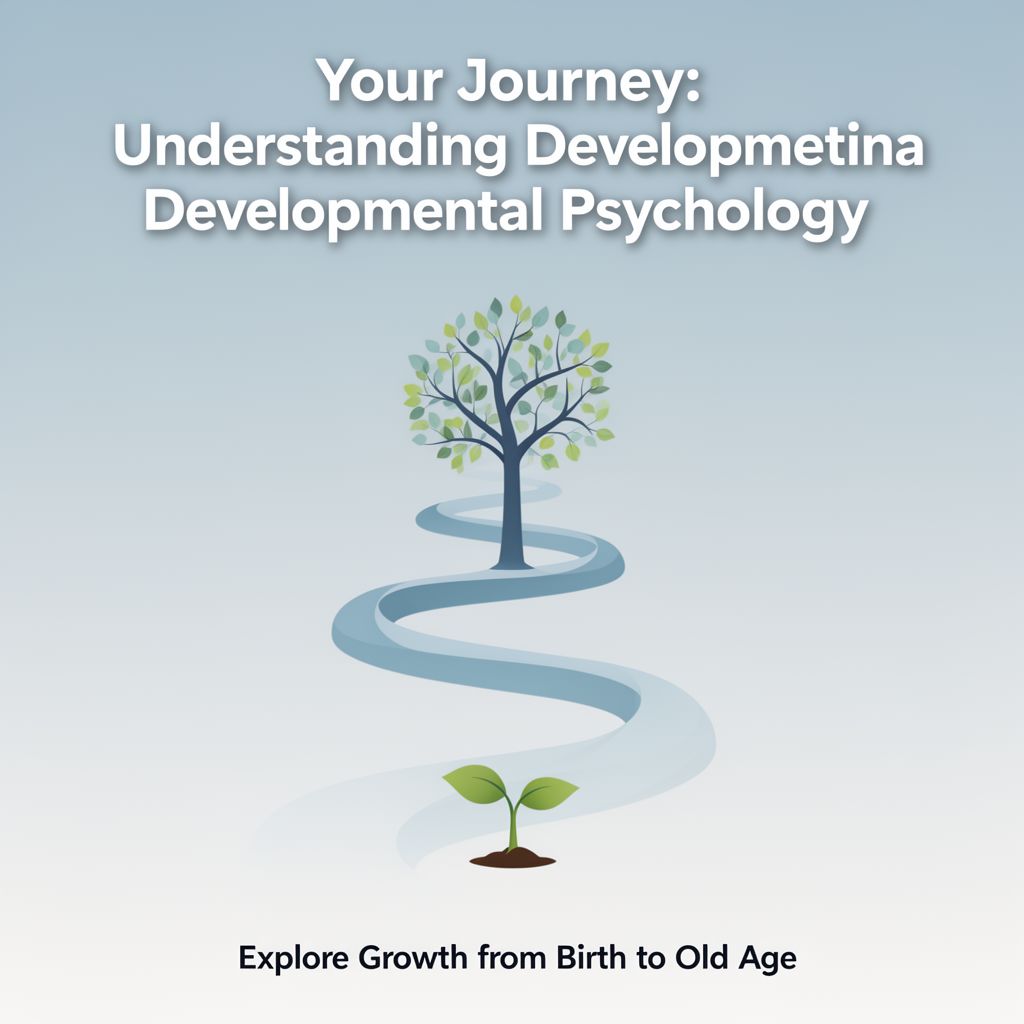
📚 Developmental Psychology: An Introduction to the Lifespan Journey
📌 Source Information
This study material is compiled from an introductory lecture transcript on Developmental Psychology and augmented with comprehensive general knowledge to provide a thorough overview of the subject.
💡 Overview: Your Development Story
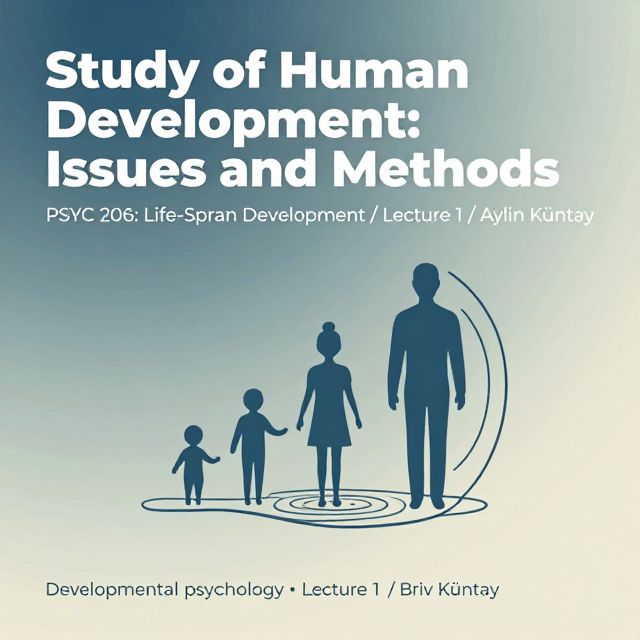
Welcome to the fascinating field of Developmental Psychology! This discipline is dedicated to understanding the incredible journey of change and growth that every individual experiences from conception to the end of life. It's not just about childhood; it's about the entire human lifespan, exploring how we become the unique individuals we are today.
Developmental psychology seeks to describe, explain, predict, and modify human development. It delves into the "how" and "why" of our physical, cognitive, and socioemotional transformations over time.
1️⃣ What is Developmental Psychology?
📚 Definition: Developmental psychology is the scientific study of systematic psychological changes that occur in human beings over the course of their life. It examines how and why individuals change, and how they remain the same, across various domains of development.
✅ Scope:
- Lifespan Perspective: Covers the entire human journey, from prenatal development through infancy, childhood, adolescence, adulthood, and old age.
- Focus: Investigates patterns of growth, change, and stability in behavior and mental processes.
- Goals:
- Description: Observing and documenting changes over time.
- Explanation: Understanding the causes and influences behind these changes.
- Prediction: Forecasting future development based on current patterns.
- Intervention/Modification: Applying knowledge to optimize development and address challenges.
2️⃣ The Three Pillars of Development
Development is a complex, interconnected process, often categorized into three primary domains. While discussed separately, these areas constantly interact and influence one another.
2.1. 🏃♀️ Physical Development
This domain encompasses all biological changes an individual undergoes.
- ✅ Brain Growth: Development of neural structures and functions.
- ✅ Motor Skills: From reflexes in infancy to complex coordination (e.g., learning to walk, fine motor control).
- ✅ Hormonal Changes: Puberty, menopause, and other endocrine system shifts.
- ✅ Sensory Development: Changes in sight, hearing, touch, taste, and smell.
- ✅ Physical Health: Growth, aging, and overall bodily well-being.
- Example: A child's ability to run and jump (motor skills) is linked to brain maturation and muscle development.
2.2. 🧠 Cognitive Development
This area focuses on the development of mental processes and intellectual abilities.
- ✅ Thinking & Problem-Solving: How individuals learn to reason, analyze, and find solutions.
- ✅ Memory: Encoding, storage, and retrieval of information.
- ✅ Language Acquisition: Development of communication skills, from babbling to complex sentence formation.
- ✅ Perception: How individuals interpret sensory information.
- ✅ Intelligence: The growth and changes in intellectual capacity.
- Example: Moving from understanding simple words as a toddler to grasping abstract concepts like algebra in adolescence.
2.3. ❤️ Socioemotional Development
This domain explores the development of emotions, personality, and social relationships.
- ✅ Emotional Regulation: Learning to understand and manage one's feelings.
- ✅ Personality: The emergence and stability of unique traits and characteristics.
- ✅ Self-Concept & Identity: Developing a sense of who one is.
- ✅ Social Relationships: Forming attachments, friendships, and romantic partnerships.
- ✅ Moral Development: Understanding right from wrong and developing ethical principles.
- Example: How an infant forms an attachment to a caregiver, or how a teenager navigates peer relationships and develops their personal identity.
3️⃣ Key Debates and Concepts in Developmental Psychology
Developmental psychology grapples with several fundamental questions that shape its theories and research.
3.1. 🌳 Nature vs. Nurture
This is one of the most enduring debates in psychology.
- 📚 Nature: Refers to the influence of heredity, genetics, and biological predispositions on development. It's the "biological blueprint" we inherit.
- 📚 Nurture: Refers to the influence of environmental factors, experiences, upbringing, culture, and learning.
- 💡 Modern View: Most developmental psychologists agree it's not an "either/or" situation but a complex interaction between nature and nurture. Genes provide a potential, but the environment shapes how that potential is expressed.
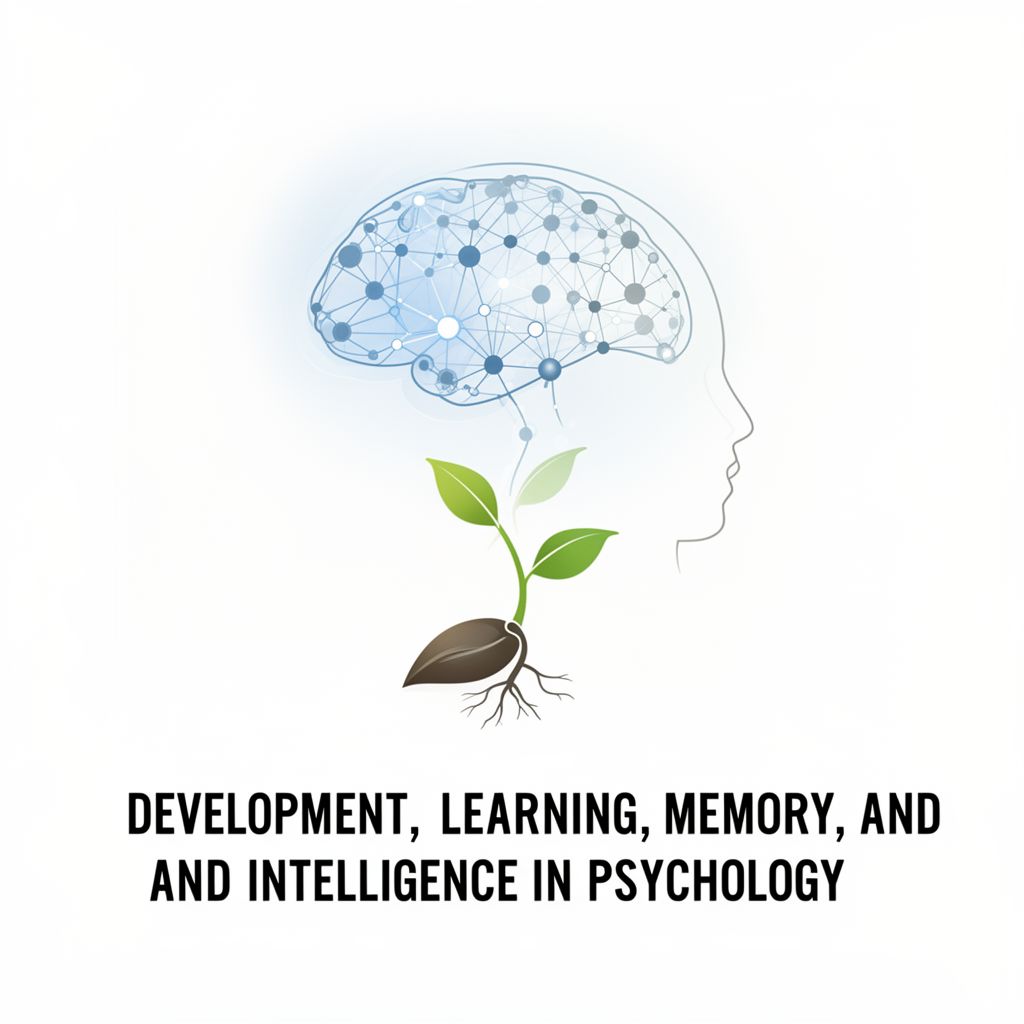
- Analogy: A seed (nature) has the potential to grow into a specific plant, but the soil, water, and sunlight (nurture) determine its actual growth and health.
3.2. 📈 Continuity vs. Discontinuity (Stages)
This debate concerns whether development is a smooth, gradual process or occurs in distinct, abrupt stages.
- 📚 Continuity: Suggests development is a continuous, cumulative process, with new abilities building gradually on previous ones (e.g., a child's vocabulary growing steadily).
- 📚 Discontinuity: Proposes that development occurs in a series of distinct stages, where qualitative changes in thinking, feeling, or social interactions occur (e.g., Piaget's stages of cognitive development).
- 💡 Perspective: Many theories incorporate elements of both. While some aspects of development might be continuous (like height growth), others appear to be more stage-like (like the emergence of abstract thought). Developmental stages offer a helpful framework for understanding common patterns of growth, even if they aren't always rigid.
4️⃣ Why Your Development Matters: The Importance of Developmental Psychology
Understanding developmental psychology has profound implications for individuals and society.
✅ For Parents & Caregivers:
- Provides insights into typical developmental milestones.
- Helps in creating supportive and stimulating environments for children.
- Offers strategies for effective parenting and guidance.
✅ For Educators:
- Informs curriculum design and teaching methods appropriate for different age groups.
- Helps understand learning difficulties and individual differences.
- Promotes optimal learning environments.
✅ For Therapists & Clinicians:
- Aids in diagnosing and treating developmental disorders.
- Provides a framework for understanding the origins of psychological issues.
- Guides interventions tailored to specific developmental stages.
✅ For Policymakers:
- Informs policies related to child welfare, education, healthcare, and elder care.
- Helps create programs that support healthy development across the lifespan.
✅ For Self-Understanding:
- Helps individuals understand their own past, present, and potential future changes.
- Fosters empathy and understanding of others' developmental journeys.
Developmental psychology truly celebrates the dynamic and ever-evolving nature of being human, offering crucial insights into the journey of life itself.