 Podit
Podit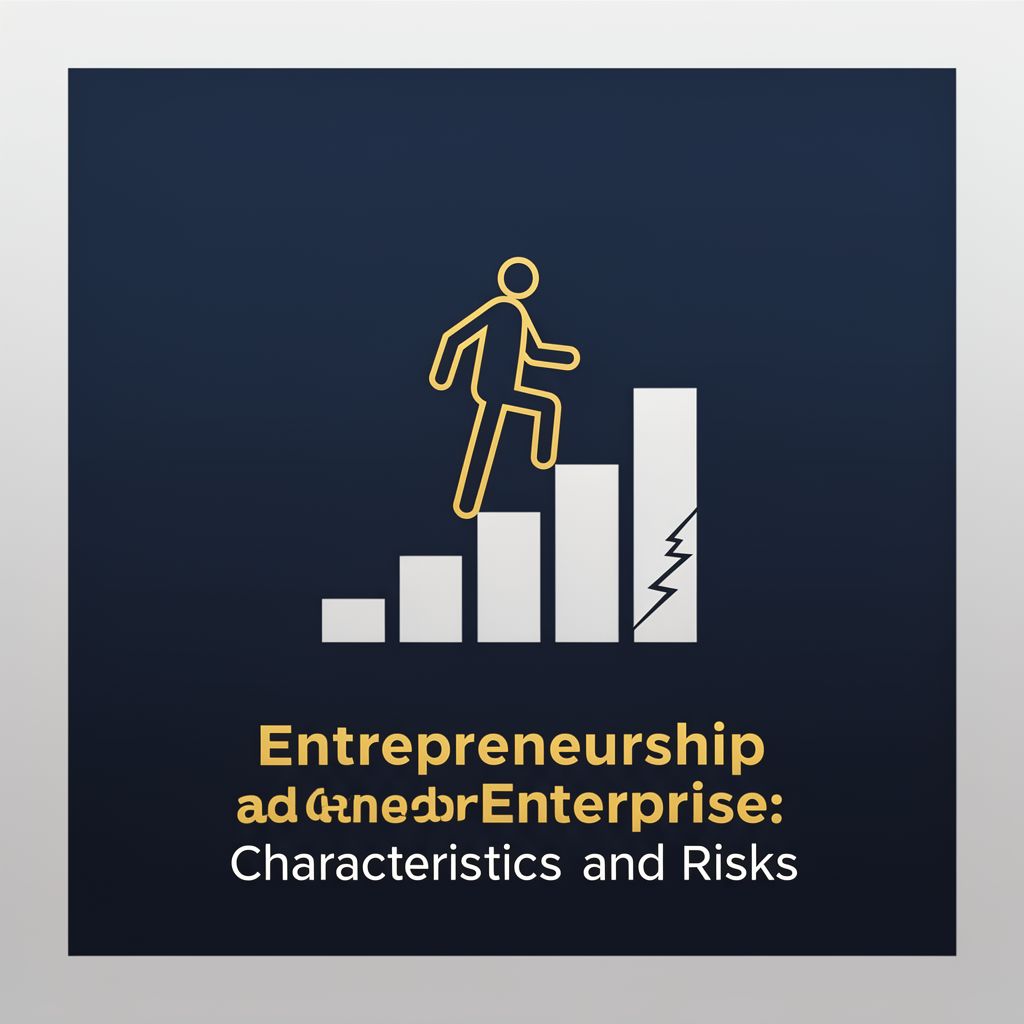
📚 Understanding Entrepreneurship and Enterprise
Source Information: This study material has been compiled from a copy-pasted text and a lecture audio transcript.
🚀 Introduction to Entrepreneurship
Entrepreneurship is the driving force behind innovation and economic growth. It involves identifying opportunities, developing new ideas, and taking calculated risks to bring a business vision to life.
1. What is an Entrepreneur?
An entrepreneur 📚 is an individual who possesses the unique ability to:
- Spot opportunities for new businesses.
- Generate innovative ideas.
- Be prepared to take calculated risks to make that business succeed.
Examples of Renowned Entrepreneurs:
- Richard Branson: Founder of the highly successful Virgin Group.
- Bill Gates: Co-founder of Microsoft.
- Sergey Brin and Larry Page: Co-founders of Google, which grew from a simple idea into a multi-billion dollar company.
2. What it Means to be Enterprising
To be enterprising 💡 means having the vision and drive to transform a good business opportunity into a thriving entity. This requires a proactive mindset and a willingness to embrace challenges.
✅ Key Characteristics of an Entrepreneur
Successful entrepreneurs exhibit a distinct set of traits that enable them to navigate the complexities of starting and growing a business.
- Original Ideas: Contributes unique concepts that give the business a competitive edge.
- Decision Maker: Capable of making critical choices, often under uncertainty.
- Leadership Qualities & Planning Skills: Guides the business through its stages and plans for future growth.
- Self-Confidence & Passion: Believes in their vision and is deeply committed to their venture.
- Independent Worker: Able to work autonomously and develop ideas from inception to implementation.
- Commitment & Sacrifice: Willing to make personal sacrifices (e.g., long hours, financial investment) for the business's benefit.
- Creative Thinker & Initiative: Consistently shows creativity in problem-solving and takes proactive steps.
- Clear Vision: Maintains a compelling vision of the business's potential and works single-mindedly towards it.
- High Energy: Possesses the stamina to work hard and ensure the business reaches its full potential.
- Calculated Risk-Taker: Willing to undertake sensible, analyzed business risks.
- Persuasive: Able to encourage financiers (like banks or investors) to provide capital.
- Motivator & Inspirer: Can motivate and inspire team members, fostering a productive environment.
- Determination & Resilience: Not discouraged by failures or setbacks, understanding that perseverance is key.
📈 Case Study: Shnuggle
The story of Shnuggle exemplifies entrepreneurial spirit and innovation.
- Founders: Sinead and Adam Murphy, a husband-and-wife team.
- Origin (2009): Their first baby, Rose, was ill, and their traditional Moses basket became unhygienic. This personal challenge sparked an idea.
- Innovation: They created a modern, hygienic, and hypoallergenic Moses basket.
- Growth: Shnuggle has grown into an international award-winning brand, present in the UK and over 25 countries worldwide.
- Investment: In 2016, they successfully appeared on Dragon's Den, securing investment from Touker Suleyman, and have since received further investment offers.
- Impact: They currently employ six staff and have expanded their range of clever baby products.
This case demonstrates how personal experience can lead to a successful business venture through innovative thinking and determination.
📊 Government Encouragement of Enterprise
Governments actively promote an 'enterprise culture' due to its significant positive impact on the economy and society. Various schemes, such as grants and advice (e.g., through Invest NI and the Young Enterprise Scheme), are set up to support entrepreneurs.
Reasons for Government Support:
- 1️⃣ Reduces Unemployment: Encourages individuals to start their own businesses, creating self-employment and new job opportunities.
- 2️⃣ New Ideas & Opportunities: Fosters innovation, leading to new products, services, and fresh employment avenues.
- 3️⃣ Motivates & Boosts Morale: Creates a motivated populace with a positive outlook on economic participation.
- 4️⃣ Healthier Business Environment: Increased competition from new businesses leads to greater efficiency and dynamism.
- 5️⃣ Economic Development & Wealth Generation: Drives overall economic growth, generating wealth through job creation, innovation, and trade.
⚠️ Nature and Rewards of Risk-Taking
Entrepreneurship inherently involves risk, but it also offers substantial rewards. Understanding both sides is crucial.
The Nature of Risk-Taking
Entrepreneurs face several potential downsides when taking risks:
- Losing Money: Significant financial investment can be lost if the venture fails, potentially leading to bankruptcy.
- Losing Time: Extensive periods spent designing products or planning businesses can be wasted if the endeavor doesn't succeed, representing a significant personal cost.
- Personal Stress & Health Issues: Worry about success, long working hours, and lack of sleep can lead to considerable stress and potential health problems.
The Rewards of Risk-Taking
Despite the risks, the potential rewards can be highly motivating:
- Making Profits: A successful business can generate large profits, leading to increased sales, market expansion, and further opportunities for wealth.
- Becoming Famous: Successful entrepreneurs can become household names, gaining public recognition and influence (e.g., James Dyson).
- Satisfaction & Achievement: Building something from the ground up and seeing it flourish brings immense personal satisfaction and a sense of accomplishment.
- Independence: The autonomy to own one's business, make strategic decisions, and be one's own boss is a highly valued reward.
💡 Conclusion
Entrepreneurship is a dynamic process characterized by opportunity identification, specific personal attributes, and a strategic approach to risk. Entrepreneurs are distinguished by their innovative thinking, leadership, commitment, and resilience. While the path involves financial, temporal, and personal risks, the potential rewards—including financial prosperity, recognition, profound personal satisfaction, and invaluable independence—are significant. Ultimately, entrepreneurial activity is a vital catalyst for economic growth and employment, making it a critical component of a robust economy.