Podit
Podit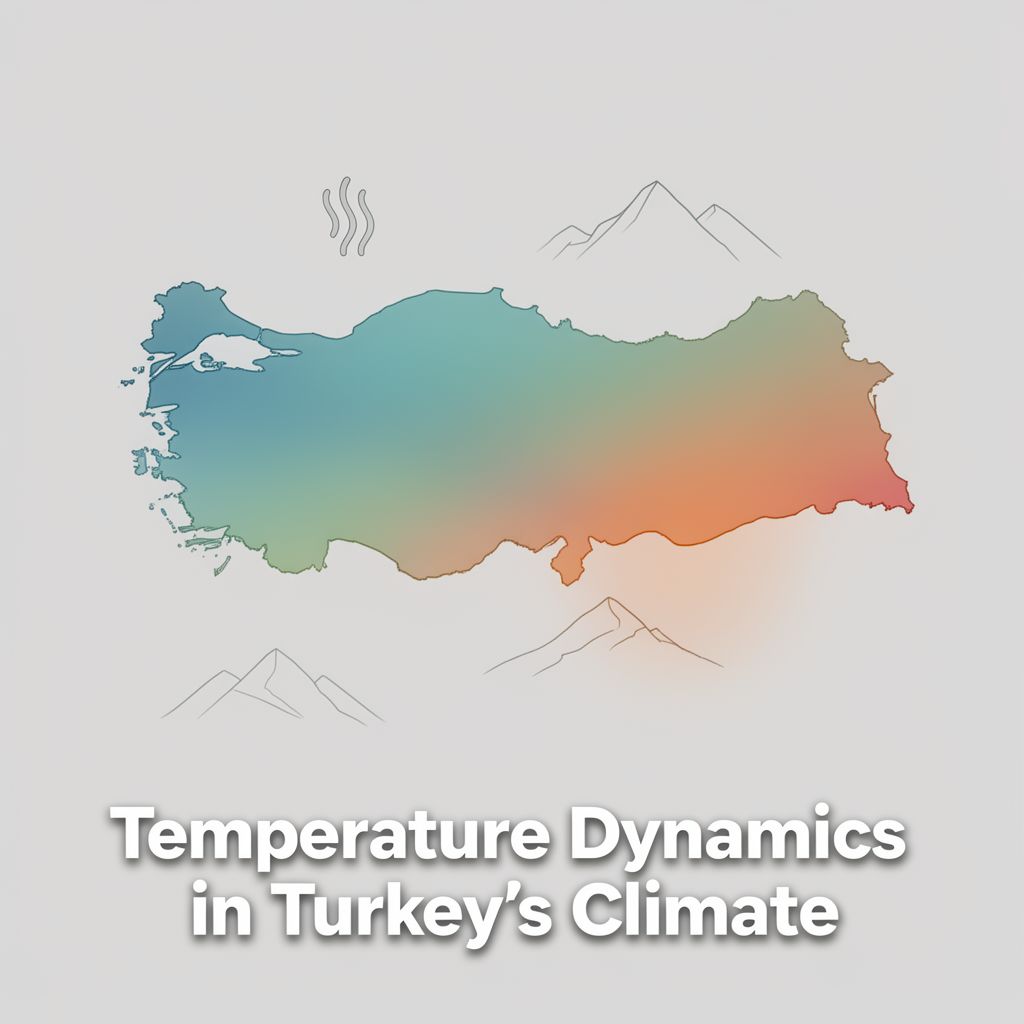
This content is based on a YouTube video.
🇹🇷 Temperature Dynamics in Turkey's Climate: A Comprehensive Study Guide
📚 Introduction to Temperature in Turkey's Climate
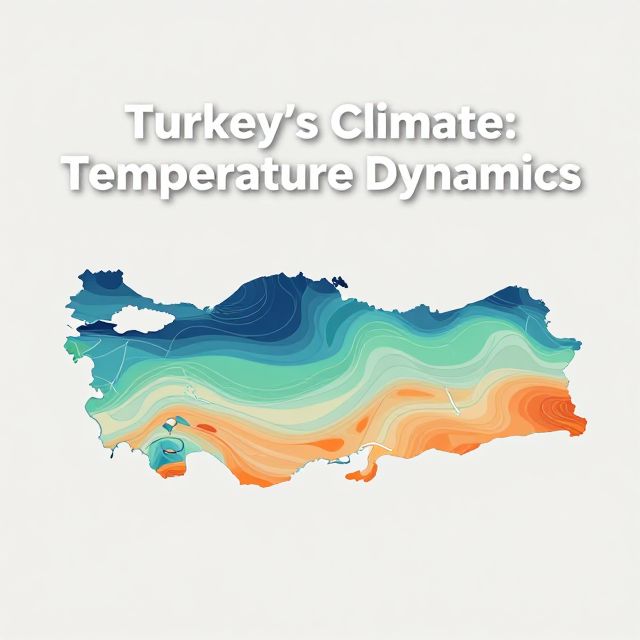
Understanding temperature dynamics is fundamental to comprehending the diverse climatic conditions across Turkey. Situated at the crossroads of three continents, Turkey's geography significantly influences its thermal regimes. This study guide systematically examines the primary determinants of temperature distribution, analyzes characteristic regional temperature patterns, and highlights seasonal variations, providing a comprehensive academic understanding of temperature as a critical component of Turkey's climatology.
🌡️ Primary Factors Influencing Temperature Distribution
Temperature distribution in Turkey is governed by a complex interplay of geographical and meteorological factors.
1️⃣ Latitude
✅ Definition: The angular distance of a place north or south of the Earth's equator.
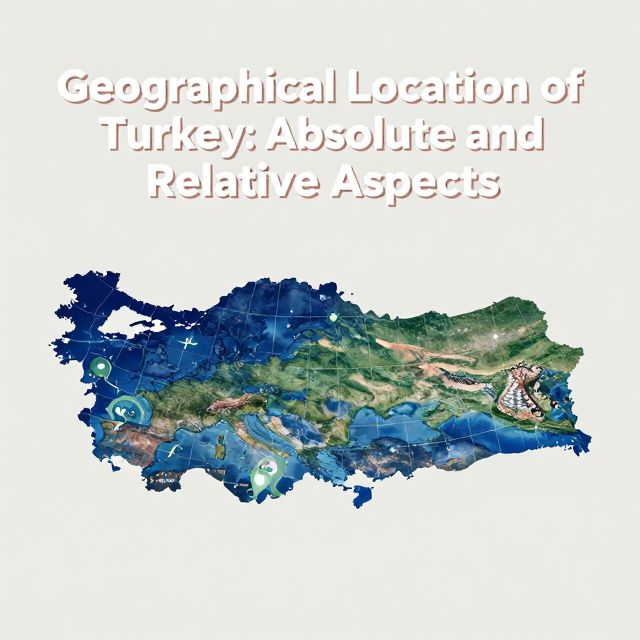
- Turkey extends approximately from 36° to 42° North latitude.
- Effect: Generally, temperatures decrease from south to north due to varying solar radiation incidence angles.
- 💡 Note: This latitudinal effect is often modified by other factors.
2️⃣ Altitude
✅ Definition: The height of an object or point in relation to sea level or ground level.
- Turkey is a predominantly mountainous country.
- Effect: Temperatures generally decrease with increasing elevation, a phenomenon known as the lapse rate.
- Example: High plateaus and mountain ranges in Eastern Anatolia experience significantly lower average temperatures compared to coastal lowlands.
3️⃣ Proximity to the Sea & Continentality
✅ Maritime Influence: The moderating effect of large water bodies on temperature.
- Coastal Regions: Along the Mediterranean and Aegean Seas, experience milder winters and less extreme summer temperatures. The Black Sea coast also benefits from this influence, leading to more temperate conditions. ✅ Continentality: The degree to which the climate of a region is influenced by its distance from the sea.
- Inland Regions: Especially Central and Eastern Anatolia, are far from maritime influences.
- Effect: This results in greater diurnal (daily) and annual temperature ranges, characterized by hot, dry summers and cold, often snowy, winters.
4️⃣ Air Masses
✅ Definition: Large bodies of air with relatively uniform temperature and humidity characteristics.
- Turkey is affected by various air masses originating from different source regions.
- Types:
- Cold polar air from the north.
- Hot tropical air from the south.
- Maritime air from the west.
- Effect: The interaction and movement of these air masses dictate daily and seasonal temperature fluctuations.
5️⃣ Relief and Aspect
✅ Relief: The configuration of the Earth's surface, including differences in elevation.
- Effect: Mountain ranges act as barriers to air masses and create rain shadow effects, influencing local temperature conditions. ✅ Aspect: The direction a slope faces.
- Effect: The orientation of slopes affects the amount of solar radiation received, leading to localized temperature differences.
🌍 Regional Temperature Characteristics and Climate Types
Turkey's diverse geography results in distinct regional temperature characteristics, broadly categorized into three main climate types.
1. Mediterranean Climate
- Location: Aegean and Mediterranean coasts.
- Characteristics:
- Hot, dry summers.
- Mild, rainy winters.
- Summer Temperatures: Often exceed 25°C.
- Winter Temperatures: Typically remain above 10°C, with frost being rare.
- 📈 This region experiences the highest annual average temperatures in Turkey.
2. Black Sea Climate
- Location: Northern coast.
- Characteristics:
- Milder temperatures throughout the year due to consistent maritime influence.
- Warm and humid summers.
- Cool and damp winters.
- Summer Temperatures: Around 22-24°C.
- Winter Temperatures: Generally above 5°C.
- ⚠️ Temperature extremes are less common here compared to inland areas.
3. Continental Climate
- Location: Dominates vast interior regions, including Central Anatolia, Eastern Anatolia, and parts of Southeastern Anatolia.
- Characteristics: Marked by significant temperature variations.
a. Central Anatolia
- Summers: Hot, dry, often reaching 30°C or higher.
- Winters: Cold, snowy, with temperatures frequently dropping below freezing.
b. Eastern Anatolia
- Altitude Effect: Due to its higher altitude, it experiences the coldest winters in Turkey.
- Winter Temperatures: Average January temperatures often below -5°C.
- Summers: Relatively short and warm.
c. Southeastern Anatolia
- Characteristics: Shares continental characteristics.
- External Influence: Influenced by hot air masses from the Arabian Peninsula.
- Summers: Extremely hot and dry, with temperatures frequently exceeding 40°C.
✅ Conclusion: Synthesis of Temperature Dynamics
The temperature regime of Turkey is a product of intricate interactions among latitude, altitude, proximity to maritime influences, continental effects, prevailing air masses, and local relief. These factors collectively create a mosaic of thermal conditions, ranging from the mild, temperate coasts to the extreme continental interiors. Understanding these dynamics is crucial for comprehending Turkey's overall climate, its agricultural potential, hydrological cycles, and ecological diversity. This systematic analysis of temperature patterns provides essential insights for geographical studies and serves as a foundational element in educational curricula focused on the physical geography of Turkey, enabling a comprehensive appreciation of its environmental complexities.